Nature Calendar

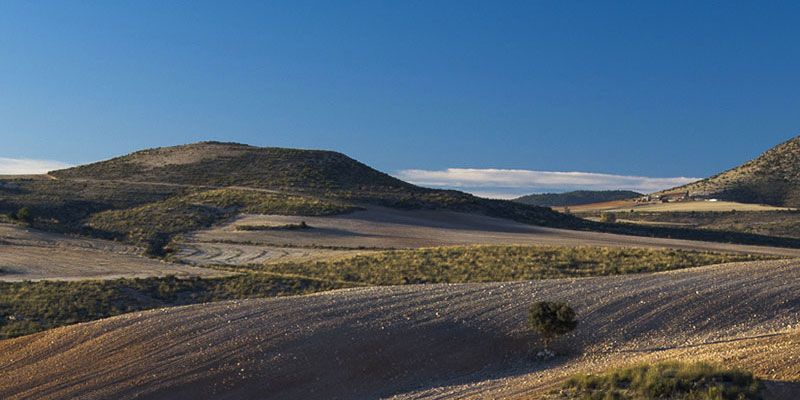
Winter

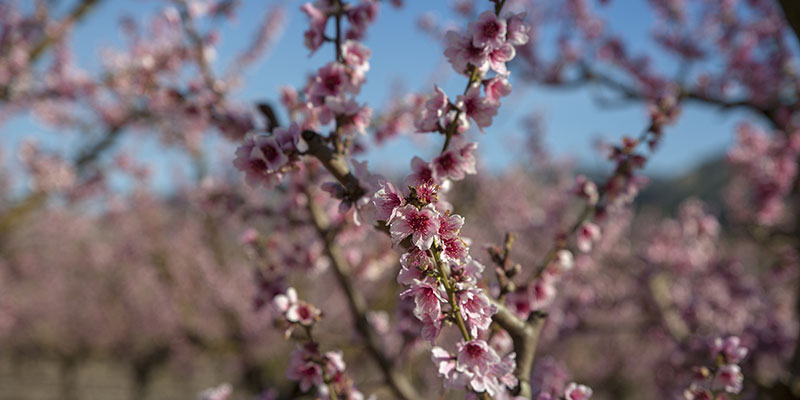
It may be the coldest season, but it's also one of the most colourful. From the end of January, an explosion of flowers begins, bringing vibrant colours (and fragrances) to the inland parts of the Region of Murcia. Firstly, from the almond trees in Mula, and later in March from the peach trees and other fruit trees in Cieza. This peaceful scene is enlivened by the meowing from Iberian lynxes in the Highlands of Lorca, where the mating season of these endangered felines takes place. In arid, stony areas, the black wheatear is busy nesting.

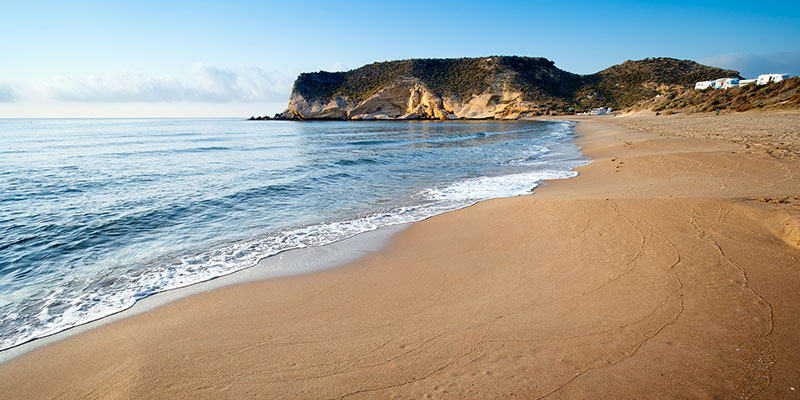
While walking along the beach, you may come across a build-up of plant matter that looks like dead seaweed. It's not seaweed, but the dried leaves of a seagrass called Posidonia oceanica. It washes up on the beaches (beach wrack) and plays a key environmental role by protecting the sandy stretches from erosion.
Winter

Spring

March welcomes the next season with the hatching of eagle owl chicks in the rocky areas of the region. April and May are scented with orange blossom in the Ricote Valley, which is draped in a blanket of white bloom from citrus trees. Thyme intoxicates the air with essential oils; some species of thyme flower at this time of year, but winter thyme blooms earlier and others during the summer.
Short-toed eagles, booted eagles, common swifts and many other bird species return home from the African continent to nest, while the arrival of the multicoloured European bee-eaters marks the end of spring. When it starts getting warmer, the ocellated lizard, the largest European lizard, ventures out into the open to bask in the sun, and can be seen in almost any part of our region.
In semi-arid and loamy areas, desert truffles fruit under the soil, beside rockroses.
Spring

Summer

In July and August, lavender blooms in the fields in Moratalla. The summer season also welcomes the arrival of loggerhead turtles, which start coming out of the sea to spawn on our beaches. They'll lay 80-120 eggs which will hatch in late summer or early autumn, depending on when they start breeding. Not far from the beaches, the salt marshes welcome flocks of common flamingos that catch the attention of ecotourists and passers-by. Under the cover of night, stone martens are especially active during their second breeding season of the year. The first takes place in February.

While cotoneaster blooms during these months, summer is the time when esparto is generally harvested, as by this point the plant is mature and its leaves begin to curl. Also, September is when Calasparra rice harvesting begins, which generally lasts through October and November.
Summer

Autumn

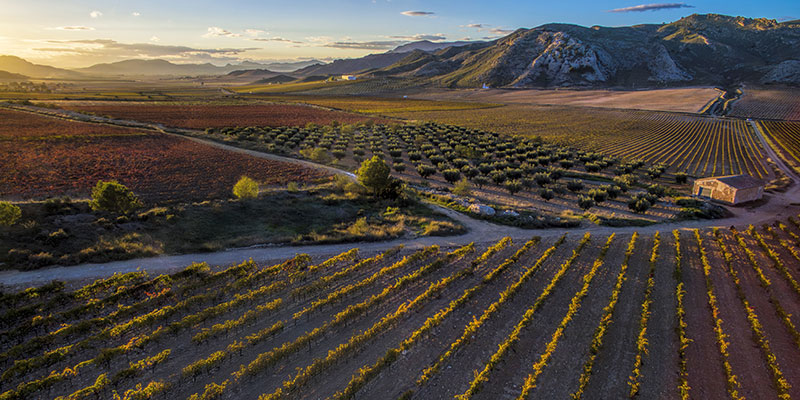
Although the riparian forests in the Region of Murcia begin turning yellow and ochre, autumn is ultimately a fruiting season.

The Sierra Espuña red squirrel, a subspecies that differs genetically from the common squirrel, finds pine nuts in the sea of green Aleppo pines that cover the regional park. It feeds on these nuts and saves them for the winter. Other fruits also ripen, such as those of the Mediterranean juniper, taking on a reddish-brown or blackish colour. At the other end of the region, Spanish junipers ripen with a similar fruit, but more bluish in colour. In autumn, flowers and fruit grow at the same time on strawberry trees. Strange.

Bog pimpernel also grows in springs, along irrigation channels, and on the banks of clear streams in inland mountain ranges. From April to August, its small pink flowers are in bloom. In the Chícamo River Reserve (SAC), the rare Iberian palm bears its fruit. This endemic palm looks a lot like the date palm, but its fruit is smaller in size and not very nice to eat.

Its fruit is not edible. When we reach the right temperature and humidity conditions, the cherished saffron milk caps appear in the pine forests. This is the best time of year to see mushrooms.

At the end of autumn and during the winter, the silence in the inland mountains is broken by the violent clash of antlers made by male mountain goats. Thunder, yet no storm. This sound tells us that winter is coming.
Autumn
Versión accesible