
Beach
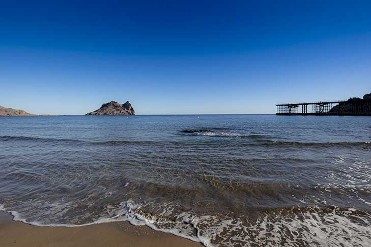
Águilas
Urban beach located in the eastern limit of the city, open to the East but protected by Isla del Fraile. This beach goes alongside a coastline which is located between the old mineral loading bay of El Hornillo and the sea close to El Fraile. A uniform way in to the beach and a sandy bottom.
Beach
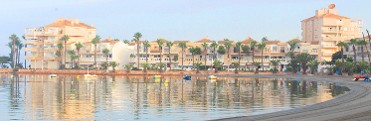
San Javier
La Manga del Mar Menor
Urban beach. Bus stops in every urbanization existing along this beach. Bus routes: Cartagena and Murcia.
Beach
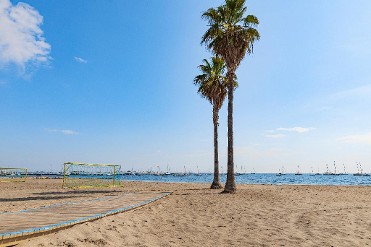
Santiago de La Ribera (San Javier)
Urban beach. Bus stop nearby for local bus. Sport beach.
Beach
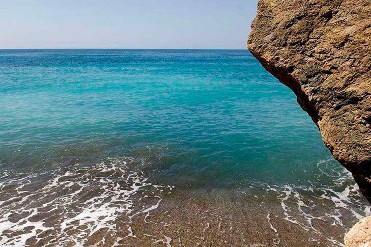
El Portús (Cartagena)
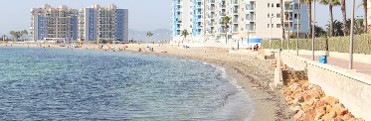
Urban beach located 11 km. from Cartagena. Divided into two areas, a pebble beach with general public access. Separated by a promontory is Cala Morena, whose access is made through the naturist camping "El Portús" With bus service, urban line ALSA, nº 4 from Cartagena to the urban center of Galifa, and urban line ALSA nº12 BUS PLAYA from Cartagena to the beach during the months of July and August.
Beach
San Javier
La Manga del Mar Menor
Semi-urban beach. Bus stops in the residential areas existing along this beach. There are city buses.

Beach
Ramonete (Lorca)
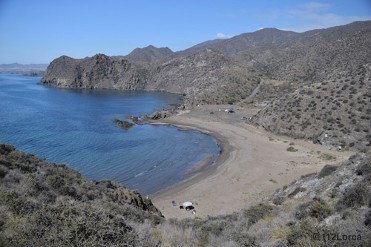
Lorca está presente en el Mar Mediterráneo con 11 km de costa virgen, 14 playas y calas de arena dorada, chinarros y bolos donde disfrutar del sol. El Parque Natural Lomo de Bas es un espacio protegido dentro del Parque Regional Puntas de Calnegre. Playas de fácil acceso y con servicios imprescindibles son las de Puntas de Calnegre (playa semiurbana, por encontrarse en el poblado de Calnegre) y la Playa Calnegre galardonada con la bandera azul. El resto de calas y playas vírgenes paradisíacas a las que ir con provisiones en la mochila.
Beach
Cope (Águilas)
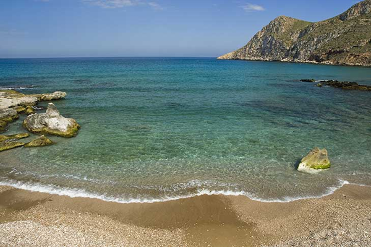
Beach located in the natural setting of the cape Cabo de Cope.
Beach
San Javier
La Manga del Mar Menor
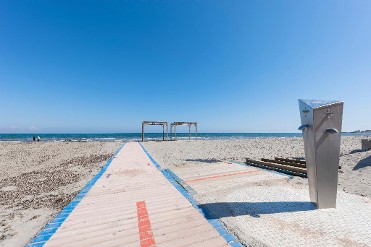
Semi-urban beach. Bus stops in the residential areas existing along this beach. There are city buses.

Hotels
Puerto de Mazarrón (Mazarrón)
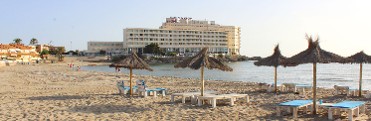
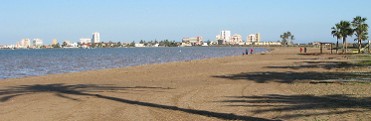
Hotel situado en primera línea de playa, habitaciones con terraza y vistas al mar, aire acondicionado y con todos los canales españoles y extranjeros. Hotel ubicado en diagonal con la playa y con planta de forma estrellada, ofrece la posibilidad de salones para distintos usos.
Holiday accommodation
Playa Honda (Cartagena)
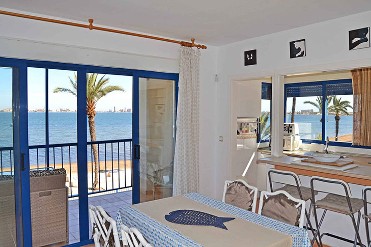
Fully equipped with privileged views of the Mar Menor. Well located – close and convenient access to important locations and attractions. Front-line – only 20 meters from the seaside promenade. Spacious 90 m2 with 2 bedrooms, 2 balconies and high-quality modern facilities and premium entertainment channels for sports and movies. Big master bedroom with unobstructed views. Swimming pool with saltwater treatment (adults/kids). Fibre optic WIFI. Parking. Air conditioning / heating. Ceiling fans. Well planned building, green areas and relaxation zones. Beautiful views of the Mar Menor and La Manga strip Frontline, you could not get closer to the seaside promenade! The windows of this unique apartment are perfectly positioned to offer cross ventilation with fresh air flowing through the whole house. The sea facing swimming pool also has a kids’ area and is located just below the kitchen window. The location of the parking space, just outside the elevator, makes it very easy to take your luggage or shopping up to the apartment. It is a pleasure to stay in this comfortable and beautiful apartment, which is fully equipped with solid good quality furniture; smart TV with premium channels /sports / movies; sofa bed; dishwasher; washing machine; clothes dryer; comfy beds with high quality cotton bed linen and hard comfortable mattresses for a restful sleep; American style kitchen that is equipped with a complete set of crockery, cutlery and utensils, dishwasher and also many other cooking accessories, microwave, electric kettle, coffee maker, toaster, varieties of tea and coffee. Well ventilated toilet, shower cubicle, bidet, towels, hair dryers, it has everything you could need plus so many extras… The Verdemar 2 is a gated building complex with a sea facing swimming pool, relaxation spaces with benched and hammocks as well as garden areas. This building is located in the best spot that Playa Honda has to offer, with a marine walkway that connects Playa Honda with other areas. Low and uncrowded building – a beautiful spot for your holidays. An ideal spot for enjoying the sun, the beach at your doorstep plus a wide choice of so many other nearby beaches all around you (Calblanque is a must visit!), privileged views across the Mar Menor, colorful sunsets and sunrises... Playa Honda has a semi-urban beach and a wide marine promenade that extends along the shores of the Mar Menor sea. The waters of this smaller sea have a much higher salinity level than the waters of the Mediterranean Sea. Playa Honda is also very well located, just before La Manga and Cabo de Palos; very close to the camping site, Mar de Cristal, Playa Paraiso; only a few minutes drive from Los Belones and La Manga Club; the spectacular natural Calblanque beach nearby. 20 minutes from Cartagena. 45 minutes from Corvera airport and 1 hour 25 minutes from Alicante airport.
Beach
Moreras / Bolnuevo (Mazarrón)
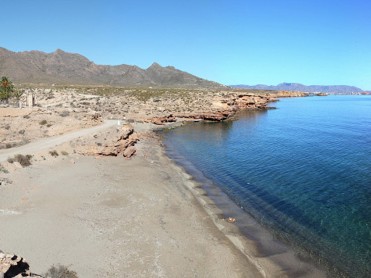
Nude cove with difficult access.
Beach
La Manga del Mar Menor
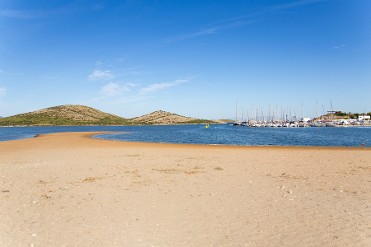
Semi-urban beach in La Manga del Mar Menor, located within a natural area of ecological interest. It enjoys calm waters and relatively low visitor numbers. With a gentle slope and warm waters, it offers excellent bathing conditions despite its generally high level of occupancy. Beach and water sports activities: Kitesurfing, wing foiling and windsurfing, ecotourism kayak route and paddleboarding route.
Beach
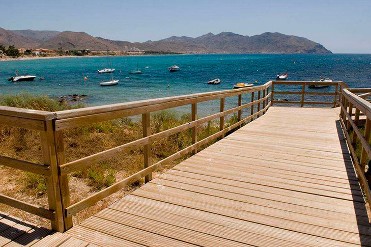
Isla Plana (Cartagena)
Urban beach. Isla Playa and La Azohía are small villages of great natural beauty and long sand beaches. There is a bus stop linking Cartagena and Mazarrón. This service is offered by the company Alsa.
Beach
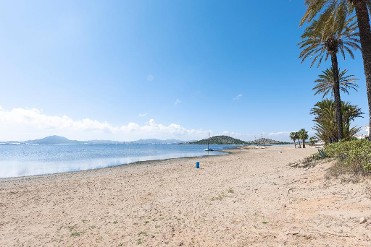
San Javier
La Manga del Mar Menor
Urban beach. Bus stops in the residential areas existing along this beach. There are city buses and long distance buses linking this beach to Cartagena and Murcia.


