Monuments
Lorca
En el S. XVIII se comienzan a levantar las Salas destinadas al Cabildo de la Insigne Colegial lorquina. La fachada se remató con la imagen de San Patricio.
Religioso
Cehegín
Con motivo del Año Jubilar concedido en honor a nuestra patrona, la Santísima Virgen de las Maravillas continuará su visita extraordinaria a las parroquias de Cehegín con un nuevo y esperado acontecimiento: su estancia en la parroquia de Santa M.ª Magdalena, del 18 al 25 de julio de 2026. La visita dará comienzo el sábado 18 de julio, a las 21:00 horas, con el traslado de la Virgen desde el Convento de San Esteban hasta la iglesia de Santa M.ª Magdalena, donde permanecerá durante toda la semana jubilar. Durante su estancia tendrán lugar el rezo diario del Santo Rosario, la celebración de la Eucaristía, el triduo en honor a Santa María Magdalena, la festividad de la santa titular, una misa dedicada a los enfermos y difuntos y un concierto de música sacra, entre otros actos que harán de esta visita un momento inolvidable para toda la comunidad. El día 24, tras la celebración de la Eucaristía, tendrá lugar un concierto de Música Sacra anunciando las vísperas de la clausura de este Año Santo Jubilar. El sábado 25 de julio, la jornada culminará con el acto prólogo del cierre del Año Jubilar, tras el cual la Santísima Virgen de las Maravillas saldrá desde la parroquia donde se cerrarán simbólicamente las puertas de la Iglesia como prólogo de la clausura de este año de gracia. Al paso de la Virgen se cerrarán las puertas de los edificios más emblemáticos de nuestro pueblo y las puertas de los vecinos que quieran colaborar en este gesto de gran valor simbólico. La Virgen será trasladada solemnemente de regreso al Convento de San Esteban donde será recibida por el pueblo. A las 21:15 horas, en el Atrio del Convento de San Esteban se celebrará la Misa Solemne de Clausura del Año Jubilar presidida por el Obispo de la Diócesis y concelebrada por los sacerdotes de la Región. Tras finalizar la Eucaristía, el pueblo se despedirá de su Patrona poniendo el broche final a este histórico Año de Nuestra Patrona, la imagen más bella jamás creada por el hombre. Vivimos un Año Jubilar único, una ocasión extraordinaria para renovar nuestra devoción a la Santísima Virgen de las Maravillas y compartir juntos este momento histórico para nuestra ciudad. Quedan invitados a participar en este acontecimiento.
Auditorios y teatros
Molina de Segura
Monuments
Ulea
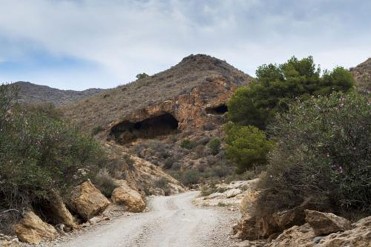
El Yacimiento del Salto de la Novia de Ulea es uno de los enclaves arqueológicos e históricos más importantes del Valle de Ricote y de la Región de Murcia. Situado junto al río Segura, entre Ulea y Ojós, este asentamiento ocupa una ladera elevada desde la que se domina visualmente el valle, un emplazamiento estratégico que permitió controlar el paso natural y las comunicaciones de la zona durante siglos. El yacimiento conserva restos de estructuras defensivas, murallas y antiguas estancias pertenecientes a un asentamiento fortificado de época tardorromana, habitado principalmente entre los siglos IV y VII. Las construcciones se adaptan a la pendiente del terreno mediante terrazas artificiales y espacios escalonados, reflejando la importancia militar, agrícola y territorial que tuve este enclave histórico. Además, las excavaciones arqueológicas realizadas durante del siglo XX permitieron documentar parte del poblado y descubrir evidencias de ocupación desde época ibérica hasta la llegada musulmana. Rodeado de un entorno natual de gran belleza paisajística, el Salto de la Novia ofrece impresionantes vistas panorámicas del Valle de Ricote, la huerta tradicional y las montañas que rodean Ulea y Ojós. Su combinación de arqueología, historia, naturaleza y leyendas populares convierte este espacio en una visita imprescindible para quienes desean descubrir el patrimonio cultural y paisaístico de la Región de Murcia.
TaXIs
Alhama de Murcia
Parada de taxi en C/ Tomás Moro. Licencia de taxi nº 6.
Museums
Murcia
Salzillo Museum. It was opened in 1960 and deeply remodelled in 2002 by the architect Yago Bonet Correa. It is a mixture of typologies: we have the Baroque Art which is still alive under the watchful eye of the Church of Jesus, see of the Brotherhood of the same name and which was declared artistic historical monument from 1935; and also the Contemporary Art, created in 2002 by this architect. A mixture of styles which coexist in perfect harmony. In the outside, in the lateral façade we find a magnificent portal which belongs to the ancient Renaissance Palace of Riquelme (previously located next to the Plaza de San Bartolomé and currently disappeared). It is meaningful that this family also ordered Salzillo the sculpture set of the nativity scene in 1776. This project kept him busy until his death in 1783. In the church of Jesus the Nazarene, famous thrones of Francisco Salzillo are exposed and walk in file on Good Friday morning: "La Caída" (1752), "la Verónica" (1754), "San Juan" and "la Dolorosa", made between 1752 and 1777, "la Santa Cena del Señor" (1763), "la Oración en el Huerto" (1752), "el Prendimiento" (1765) and "Cristo amarrado a la columna" or "Los Azotes", which was made between 1776 and 1777 and the last throne of this maker of religious images. The carving which names the Brotherhood, "Nuestro Padre Jesús" (Our Father Jesus), an anonymous carving of the 16th and 17th centuries and the one which gives its own name to a brotherhood, is the only one that wasn't made by Salzillo. 556 figures, which form the famous "Belén" (Nativity scene) also highlight. These figures were ordered to Salzillo by the marquis of Riquelme, and also an interesting collection of original clay sketches.
Monuments
Mazarrón
The San Andrés Church was built by the Marquis of Villena. From the original structure the main room has been conserved, distinguished for its handcrafted beauty, in the Mudéjar style. The rest of the building has been subjected to different restorations, giving it the architectural style that the church shows today. The interior still has some remains of parietal pictures and decorations. One of its two doors, the lateral one, corresponds to where the temple’s original entrance was, and as described by González Simancas during his early 20th century visit, it held the coat of arms of Guzmán, Cisneros, Enríquez and others, inscribed in circular flowers and fruits crowns and fruit in relief, in a style similar to the Junterón chapel within the Cathedral of Murcia. The San Andrés Church has been declared a Site of Cultural Interest.
Monuments
Mazarrón
At the feet of Los Vélez Castle hill, and within the population nucleus that would extend around it, the San Antonio de Padua church is located very near the San Andrés Church (16th century). The Church of San Antonio, completed in the second half of the 16th century, was ordered to be built by the Marquis of Los Vélez to provide space for the religious rites of the workers who lived in the villa and depended on him. The temple is a very simple construction, subjected to different reforms and changes in time, especially during the 19th and 20th centuries, when the cupola of the transept was repaired and a new bell tower and vestry were built. During the Civil War (1936-1939) the Baroque altarpiece and some smaller altars were destroyed, later to be substituted by pieces created to reproduce the original ones. Inside, the cupola of the transept is distinguished for its pendentives with paintings of saints. On the main facade, a niche of San Antonio de Padua is distinguished in addition to Los Vélez coat of arms.
Lugares de interés
Cartagena
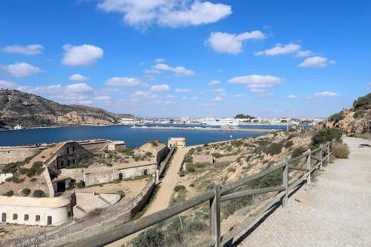
These two batteries constitute a single position, constructively connected. They were conceived in Esteban de Panón's project in the 18th century and finished in 1739. Its construction is elongated and parallel to the coast, and its current configuration corresponds to the latest reform of O'Donnell's Plan of May 8th, 1862. Their casemates are buried to protect them from enemy ships fire, leaving their backs open for better ventilation of gunpowder smoke. The ammunition dumps were buried and communicated through tunnels. Its main characteristic is its privileged situation to control the port mouth. It has the consideration of Heritage of Cultural Interest, in accordance with current second additional provision of Historical Heritage Act. Visible from the route of the Blue Trail in the Port of Cartagena. NO VISIT
Tourist offices
San Javier
Punto de Información Turística en el edificio del Ayuntamiento de San Javier De lunes a viernes: de 09.30 a 13.30
Tourist offices
Santiago de La Ribera (San Javier)
Información turística local y regional. Lunes a viernes: 9.30 a 14 y 16 a 18.30 h. Sábados: 10.30 a 13.30 h.