










Monuments
Lorca
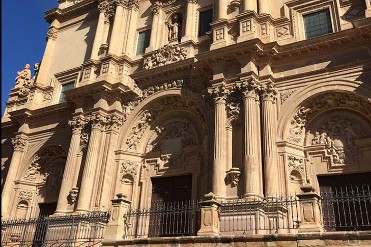
Among all the buildings of ecclesiastical character is without doubt the church of St. Patrick the most important. This temple is placed under the patronage of Saint Patrick (patron saint of Ireland) in remembrance and commemoration of the victory achieved in the Battle of the Alporchones, fought by the people of Lorca against the Muslims on March 17, 1452. Its construction was carried out between 1536 and 1780 on the design of Jerónimo Quijano, master of the works of the Bishopric of Cartagena, so the entire interior, despite the long construction period, has a marked Renaissance air, logically more pronounced in the first spaces raised. Conceived with cathedral airs, its interior is articulated in three naves, lateral chapels between the buttresses, choir and trascoro, elevated transept, ambulatory with radial chapels and tower in the head that houses the sacristy inside. The facade and its union with the rest of the temple took place between 1694 and 1710 under the direction of José Vallés. With him a good number of the stonemasons present at Lorca participated: Ortiz de la Jara, Salvador and Diego de Mora, Sanchez Fortun, etc., who will appear in the following decades directing important works in the city. It is the headquarters of the Brotherhoods of the Curia, and of the Risen One, so that during Holy Week the patrimony exhibitions of these brotherhoods can be contemplated.
Restaurants
La Paca (Lorca)
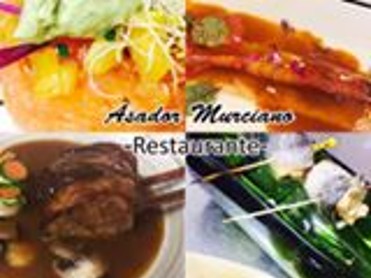
En la pedanía de la Paca, dirección Caravaca, se encuentra el Asador Murciano, donde tomar desde el desayuno hasta la cena.

Monuments
Lorca
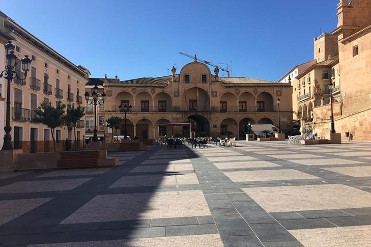
The south wing of the current building, which used to be a city prison, was turned into the new rooms of the council when the building size was doubled. Consequently it gained an overall aesthetic appearance more appropriate to the social sector that had became the most noble and illustrious sector in the city. The extension of the building was based on the plans of Alfonso Ortiz de la Jara (a master mason from Caravaca), who respected the former order and style and combined both sides so harmoniously that it seems to be built in one go. The building consists of a double and open loggia standing on smart Macael (a municipality of Almería) marble columns. Its style is Renaissance, which contrasts with the rich and ornate Baroque of that time. Next to the pediment which crowns the central arch with an iron and projecting balcony there are two sculptures from Juan de Uzeta symbolizing Justice (Justicia) and Charity (Caridad). The Sala de Cabildos, the former plenary hall has been opened to visits. The secret chapel, which was added to this former hall in 1768, is still preserved. The most remarkable element can be worshipped, which is is the image of the Purísima (one of the numerous Spanish names for the Virgin). Its acquisition and authorship are not precisely known. In this regard, there is a unique fieldwork by Professor Mrs García Gainza, who points out the influence of that sculpted by Alonso Cano in 1655 for the Cathedral of Granada. According to her, it is related to Pedro de Mena's workshop around 1670. As far as the paintings in the hall are concerned, a small collection of iconography relating to the military history of the city is exhibited. If booked, Sala de Cabildos can be visited, which nowadays is used for different activities such as weddings receptions, talks, lectures, courses, press conferences, but especially for entertaining and visits.

Restaurants
Coy (Lorca)
En la pedanía de las Tierras Altas de Coy se encuentra el bar Los Gemelos, donde podrás degustar comida casera.


