
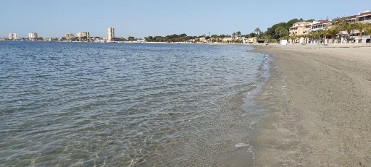
Beach
Lo Pagan (San Pedro del Pinatar)
Motorway N-332 from Cartagena to San Pedro del Pinatar. Road that takes from San Pedro to Lo Pagán, beyond La Explanada. This beach is bordering with Santiago de La Ribera.
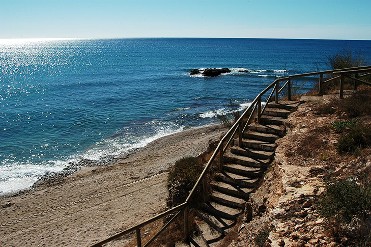
Beach
Mazarrón
Urban beach. There is a bus stop with a bus route connecting Mazarrón and Murcia.
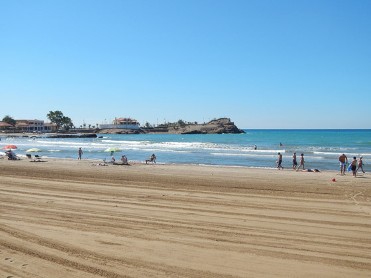
Beach
Puerto de Mazarrón (Mazarrón)
Urban beach. There is a bus stop with a bus route connecting Mazarrón and Murcia. Beach and water sports activities: Surfing.
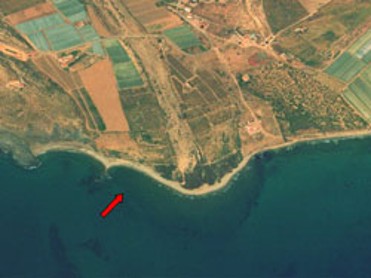
Beach
Ifre-Cañada de Gallego (Mazarrón)
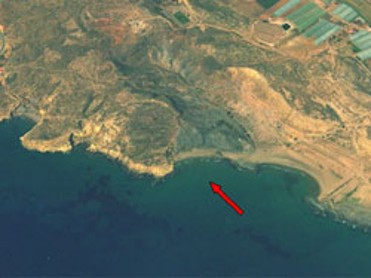
This beach is located in a natural setting.
Beach
Ifre-Cañada de Gallego (Mazarrón)
Beach located in a natural setting.

Beach
Mazarrón
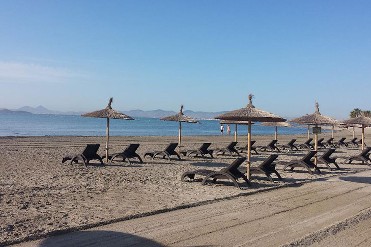
Dog-Friendly Beach. Playa de las Moreras is located in a semi-urban area, being very good for a walk with your pet during any season of the year. The beach is 500 metres length and 60 metres in widht. It has a nice seabed of golden and thick sand. In case of veterinary emergency: Clínica Veterinaria Puerto de Mazarron Av. Costa Cálida (Edif. Bahía Mar, bajo) Puerto de Mazarrón t.: 968 15 39 31/Urgencias 608 46 65 53 C.C. Camposol, sector A, local 21 Urb. Camposol t.: 968 19 92 63/Urgencias 608 46 65 53 Clínica Veterinaria Happy Pets Av. Doctor Meca C.C. Los Caleñares, local 2 Puerto de Mazarrón t.: 679 83 68 91 Calle Jara, s/n Urb. Camposol t.: 696 85 55 67 *Any query or emergency will be paid by the owner of the pet.
Beach
Los Alcázares
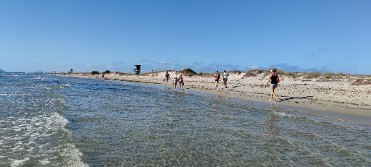
Las Salinas Beach in Los Alcázares is a semi-urban sandy beach stretching for 1,000 metres along the Mar Menor, characterised by its warm, calm waters and coarse sand. It is a beach with a low level of occupancy, ideal for relaxing and enjoying a protected natural environment close to the town centre. The beach offers a natural setting that is perfect for water sports and birdwatching, thanks to its proximity to the protected area of La Hita. Due to the characteristics of its seabed and its environmental protection status, this beach is not considered an official bathing area in the official census. Beach and water sports activities: Sailing, windsurfing, windfoiling, kitesurfing, nautical training activities and open water swimming.
Beach
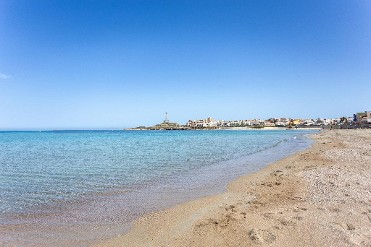
Las Salinas (San Pedro del Pinatar)
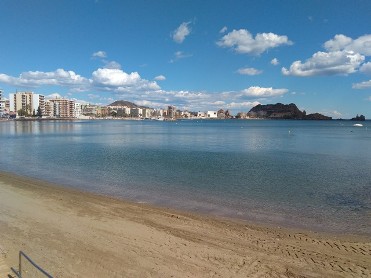
It is located in the regional park Parque Regional de Las Salinas y Arenales de San Pedro del Pinatar. This is the first beach which can be found in La Llana, and the most visited one as it is near the car park.
Beach
Cartagena
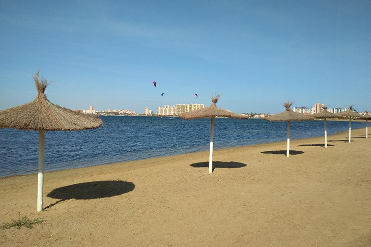
La Manga del Mar Menor
Semi-urban beach. This beach is located in Cabo de Palos, a peninsula 400 m wide. The seafloors surrounding the village are one of the most important natural reserves in the Mediterranean Sea. There is a bus stop and buses connecting Cartagena and La Manga (a service offered by the company Alsa) and Murcia and La Manga (a service offered by Alsina Graells). Beach and water sports activities: Beach volleyball, beach football, swimming in a buoy-marked channel, surfing, windsurfing, paddleboarding, ecotourism kayak route, open water swimming route, snorkelling route and diving area.
Beach
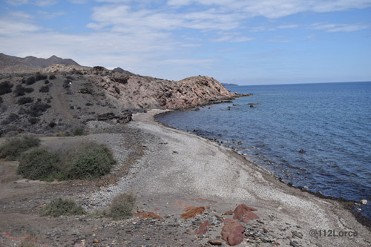
Pinilla Y Garrobillo (Lorca)
Inaccessible bay in the natural environment.
Campsites
Moreras / Bolnuevo (Mazarrón)
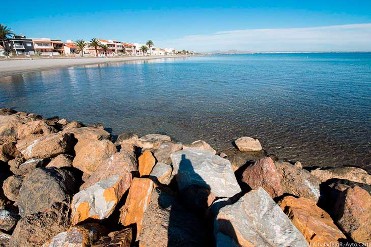
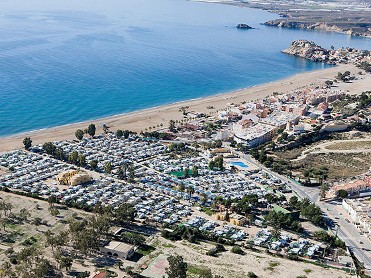
Nuestro camping playa de Mazarrón está situado en la misma entrada de Bolnuevo, frente a su ermita, y con accesos directos a Mazarrón y a Puerto de Mazarrón, situados ambos a unos 4 kilómetros. Limita al sur con un frente de playa de más de 250 metros, con una larga tradición de Bandera Azul Europea y que reúne las condiciones idóneas tanto para el baño como para los deportes náuticos. El camping, totalmente parcelado, dispone de los servicios clásicos de estos establecimientos, debidamente cuidados y mantenidos. El poblado de Bolnuevo, de larga y arenosa playa, que fue un antiguo barrio de pescadores, es hoy un centro turístico de importancia dentro de la Región de Murcia. Destaca en su paisaje, además del espléndido mar, unas formas erosionadas en la montaña conocida como “Las Gredas”, así como la zona de calas naturistas que comienza a apenas 400 metros de la entrada del camping.
Beach
Puerto de Mazarrón (Mazarrón)
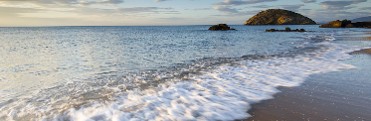
Urban beach. There is a bus stop with a bus route connecting Mazarrón and Murcia and city bus.
Beach
Ifre-Cañada de Gallego (Mazarrón)
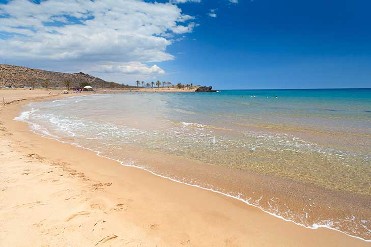
Beach located in a natural setting.
Beach
Moreras / Bolnuevo (Mazarrón)
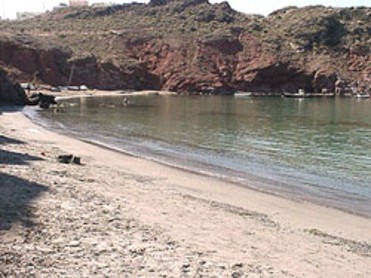
Semi-urban beach. There are few buildings, so this beach still preserves its natural charm. It has in theory a 153 people capacity.
Beach
San Javier
La Manga del Mar Menor
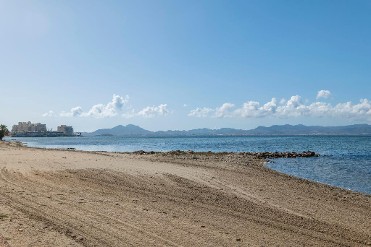
Urban beach. Bus stops in every urbanization existing along this beach. There are city buses and long distance buses linking this beach to Cartagena and Murcia.
Beach
Portman (La Unión)
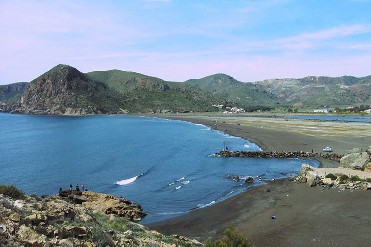
Semi-urban beach. There is a bus stop with a bus route connecting La Unión and Portman.


