Museums
Águilas
Temporarily closed. Renovation work at new location.
Monuments
Cartagena
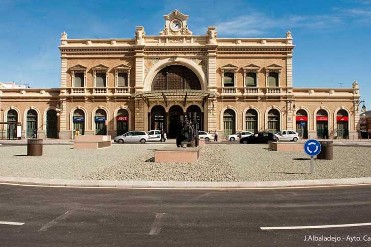
The modernist decorative details –such as the ironwork on doors and columns, the cantilever roof and the Roman thermae-style window on the façade– are of special interest. The interior was also decorated along modernist lines, though all that remains today of the design are the ticket counter, the doorframes, the ceiling and the lamp.
Lugares de interés
Bullas
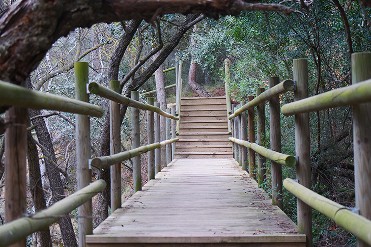
Muy cerca del Carrascalejo y del límite con el término municipal de Cehegín se encuentra un espacio natural de alto valor ecológico y todavía poco conocido, la Rambla o Barranco de la Regidora. Parte de la cuenca del río Quípar, es un lugar de incomparable belleza que posee un exuberante bosque de ribera en el que destacan varias especies protegidas como la encina o el quejigo. La rambla se encuentra acondicionada para la práctica del senderismo o el cicloturismo a través de la interesante senda interpretativa que la recorre.
Lugares de interés
Yecla
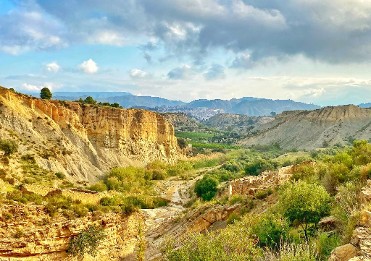
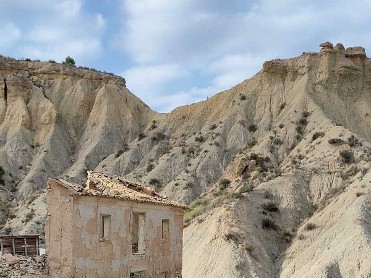
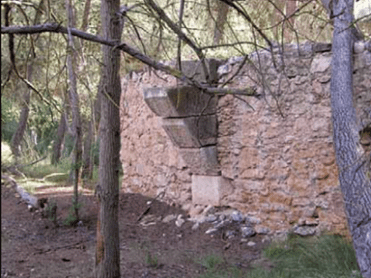
La presencia de varios manantiales de agua a lo largo de su recorrido es la razón de la presencia humana en este lugar desde hace miles de años. En la Rambla y alrededores, se encuentran yacimientos arqueológicos del Paleolítico Medio y de época romana. La Peña de la Graja, topónimo muy antiguo de un pequeño roquedo (949 m.s.n.m.), es la cota más alta del paraje y el punto más septentrional de toda la Región de Murcia. La parte más destacable de la Rambla de Tobarrillas es su tramo medio, que constituye un criptohumedal donde se encuentra una extensa vegetación dominada por el olmo (Ulmus minor), algo degradada por efecto de la grafiosis que atacó “la mayor olmeda de la Región de Murcia”, en la década de los años 90 del pasado siglo XX. Las peculiares condiciones ambientales del lugar propician la existencia de especies, algunas de ellas raras en el resto de la Región, como ardillas y numerosas especies de anfibios, mamíferos y aves. La Rambla es un sitio de tránsito de riadas en época de lluvias, un fenómeno habitual en esta zona de clima mediterráneo de interior. Los cauces de corrientes naturales, continuas o discontinuas, son de Dominio Público Hidráulico del Estado. Parte de su trazado está incluida en la Zona de Especial Protección de Aves “Estepas de Yecla”. Incluye parte del Cordel del Pozuelo o de Andalucía.
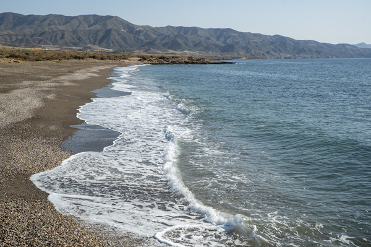
Beach
Cope (Águilas)
Difficult to access cove located in a natural setting.

Museums
Murcia
Ramón Gaya Museum. It is located in a beautiful mansion of Murcian style of the 19th century, the "casa Palarea" (Palarea house), and it shows the work of one of the best contemporary Murcian painters. It has sketches, posters, literary pieces and a retrospective collection of his own work and of other painters of his generation (Pedro Flores, Luis Garay, Juan Bonafé y Joaquín), as well as that of English painters who have been in Murcia in the 20s (Cristóbal Hall, Darsie Japp, Windham Tryon).


Holiday accommodation
La Manga del Mar Menor
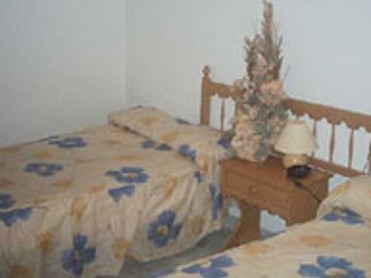
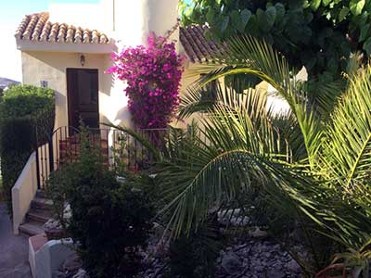
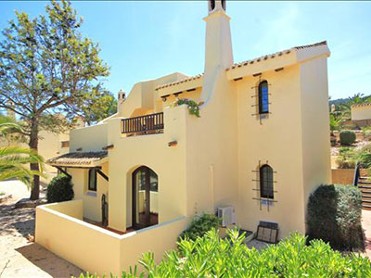
Esta encantadora villa de 2 dormitorios en El Rancho está convenientemente ubicada entre dos de las nueve piscinas comunitarias, un lugar ideal para sus vacaciones. Acceso gratuito a Internet _____________________________________________________________________________ Se accede por escaleras desde la zona de aparcamiento del coche, esta villa de dos dormitorios en El Rancho con mobiliario exclusivo es una base muy cómoda para sus vacaciones. Convenientemente ubicado entre dos piscinas comunitarias. Tenga en cuenta que esta propiedad no es adecuada para niños menores de 14 años. La villa tiene un comedor de planta abierta y sala de estar. Esta es una propiedad muy atractiva con muebles principalmente de roble. La mesa de comedor es de madera maciza con bancos a ambos lados. La cocina moderna y luminosa está separada por un arco. Hay un sistema MP3 CD-Music en la cocina, nevera-congelador, horno eléctrico y vitrocerámica, lavadora, microondas, cafetera y tostadora. Tenga en cuenta que no hay lavavajillas en esta propiedad. El salón tiene Club TV, acceso gratuito a Internet y capacidad para 4 personas cómodamente. A través de las puertas del patio, desde el salón, se accede a la terraza con barbacoa, con mesa y sillas, desde donde se puede admirar las impresionantes vistas de La Manga del Mar Menor. Desde el salón hay acceso, a través de una escalera, a una cómoda terraza. Junto a la puerta principal, hay una terraza adicional con sofá y sillas donde podrá relajarse y disfrutar del sol de la tarde. Ambas habitaciones están en el nivel inferior. El baño familiar está decorado con buen gusto con azulejos de mosaico azul. Hay una cabina de ducha / WC / lavabo / ventilador / radiador toallero. Hay una pequeña ventana en este baño. Este cuarto de baño es utilizado por el espacioso dormitorio con dos camas, brillantemente amueblado en madera clara. Hay una unidad de aire acondicionado / calefacción montada en la pared, así como un ventilador de techo. El dormitorio principal, con una cama king size y cabecero de roble, también tiene un tocador de roble y mesitas de noche. El baño en suite ha sido recientemente renovado a un alto nivel, con una bañera y accesorio de ducha, una cabina de ducha separada, dos lavabos, WC, ventilador y radiador toallero. Esta propiedad está a pocos pasos de Bellaluz Plaza, con su supermercado, tiendas, bares y restaurantes, y también a poca distancia del Centro de Tenis. También está cerca de otros bares y restaurantes en La Manga Club. El campo de golf está a 5 o 7 minutos en coche. Tarifas reducidas de golf y tenis aplican cuando se hospeda en esta propiedad. Hay amplias instalaciones para practicar deportes acuáticos en el cercano Mar Menor, a poca distancia en coche.
Holiday accommodation
Los Belones (Cartagena)
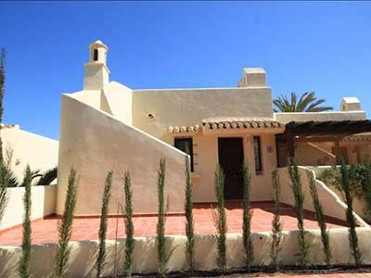
La Manga Club is located in the Murcia Region of south east Spain, on the lower slopes of pine covered hills, looking out over the Mar Menor's crystal clear waters. This superb, all year round golfing, tennis, and general sporting Resort is just 25 minutes from Murcia airport and 60 minutes from Alicante. The community of El Rancho, popular with families, enjoys large areas of open space. This tastefully furnished, more spacious detached villa, with four bedrooms, is set in an elevated position commanding wonderful views over the community and beyond to the Mar Menor Lagoon and the Mediterranean. Parking for the property is conveniently right outside the front door and the facilities of the Bellaluz shopping plaza a few minutes walk away. Air conditioned throughout, there is very spacious dining and living area with access onto a BBQ terrace which overlooks one of the pools. Spacious, well equipped Kitchen. A cloakroom is also located on this living level. There is an additional rooftop solarium for private sunbathing and from which the views are magnificent. All four bedrooms are downstairs. The Master bedroom has an en suite bathroom. The family bathroom is used by the other 3 bedrooms. One bedroom has patio doors leading onto a small terrace, with direct access to the pool. A choice of double or single bed configuration is possible. The Villa is very central for all the amenities - walking distance to the Tennis centre and a short drive to the golf courses. This is a very comfortable base for your holiday with family or friends. Guests are entitled to 50% discount on the standard Golf and Tennis charges.
Holiday accommodation
La Manga del Mar Menor
Moderna villa de dos dormitorios / dos baños El Rancho con dos piscinas comunitarias a la vuelta de la esquina. Ubicación central para las comodidades de La Manga Club. Muy cómoda, amplia y luminosa villa comunitaria reformada, rodeada de hermosos jardines, este es un lugar ideal para sus vacaciones en familia, en una ubicación central para todas las comodidades de La Manga Club. Con dos de las piscinas comunitarias a la vuelta de la esquina. ¡tendrás que elegir! La villa tiene aire acondicionado y ventiladores de techo. Un amplio salón de planta abierta y un comedor se abre a una hermosa terraza con barbacoa con vistas a los jardines de la comunidad. La cocina bien equipada también tiene una puerta que da a la terraza con barbacoa. Desde la terraza de la azotea disfrutar de las vistas sobre el campo de golf del Norte y más allá del Mar Menor. Las habitaciones y los baños están en el nivel inferior. Tanto las habitaciones de esta villa se han ampliado y los baños han sido reformados a un nivel extremadamente alto, reemplazando los baños con duchas grandes. Dormitorio principal con una cama doble. El segundo dormitorio tiene dos camas individuales, que pueden convertirse en una doble, si se prefiere. El golf y el tenis se pueden reservar con tarifas reducidas para residentes. Consúltenos para obtener más información. Estancia mínima de 5 noches.