
Holiday accommodation
Tercia (Lorca)
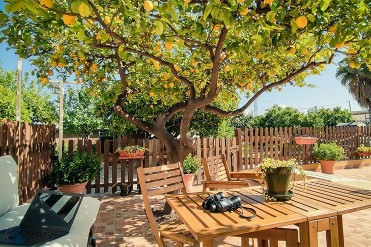
Ven a nuestra casa de invitados ideal para relajarse en la huerta de Lorca. Disfrutarás de un completo alojamiento de dos dormitorios, baño, salón y cocina que además incluye el uso de un estupendo patio con piscina. A sólo 15 minutos a pie del centro histórico de Lorca y a 35 minutos en coche de la costa.
Rural houses
Ojós
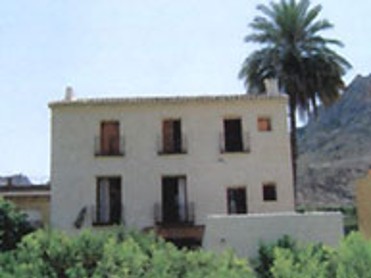
Casa de la Abuela Encarnación es una encantadora casa señorial del siglo XIX, ideal para grupos y familias que deseen disfrutar de una estancia tranquila con sabor tradicional. Con capacidad para hasta 12 huéspedes, dispone de 5 habitaciones (una con cama de matrimonio, dos dobles y dos triples), 11 camas en total y 2 cuartos de baño completos. Su cocina, amplia, luminosa y completamente equipada con electrodomésticos, conserva el carácter rústico gracias a sus muebles de madera. El salón-comedor ofrece un acogedor espacio con varias mecedoras dispuestas alrededor de una pequeña mesa, perfecto para compartir un café o una charla, y cuenta también con televisión. La decoración mantiene el estilo original de la vivienda, con paredes de acabado natural adornadas con antiguos objetos de labranza como homenaje a su pasado agrícola. En el exterior, el patio con mobiliario de jardín y barbacoa invita a disfrutar del aire libre en un entorno lleno de historia y autenticidad.
Hotels
Perdiguera (Cieza)
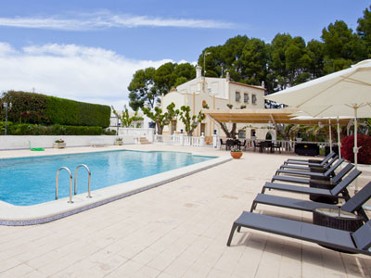
Casa de la Campana es una Hospedería Rural con encanto, rodeada de preciosos jardines, un huerto de árboles frutales, una piscina al aire libre. Nuestros huéspedes encontraran un excelente servicio y la mejor atención personalizada. Además, podrán disfrutar de unas magnificas vistas, de una buena comida con productos propios de la huerta o tomar una copa al sol de nuestra magnifica piscina al aire libre. Y por ultimo, descansaran en una de nuestras 10 acogedoras habitaciones, exquisitamente decoradas. Casa de la Campana es un edificio antiguo, el cual fue construido en el año 1919. Esta era la antigua residencia de un obispo, por ello la existencia en la misma de una capilla. La antigüedad de la casa queda constatada además, puesto que en la zona ajardinada se encuentra gran cantidad de pinos centenarios y palmeras de distinta edad.

Monuments
Caravaca de La Cruz
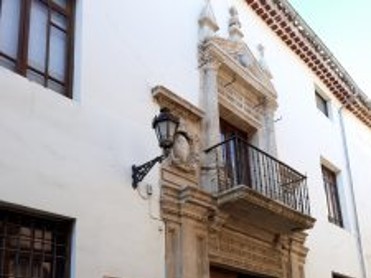
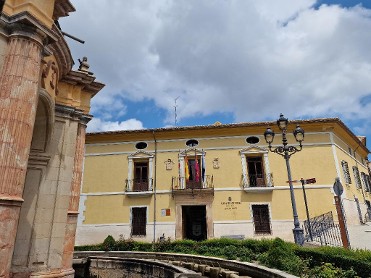
Palacio de los Musso Muñoz de Otálora Adentrándonos en las estrechas calles del casco histórico del municipio de Caravaca nos encontraremos con una de sus calles más monumentales, la Calle de la Monjas, donde se encuentra el Palacio de los Musso Muñoz de Otalalora, antigua e ilustre familia de la ciudad de Caravaca. El Palacio de los Musso Muñoz de Otálora, de estilo barroco, fue construido en el siglo XVI para albergar a una de las familias más poderosas de Caravaca de la Cruz. En la actualidad es la sede de la Cofradía de la Santísima y Vera Cruz. Para acceder a este Palacete habremos de pasar por varios de los monumentos más emblemáticos del municipio como la Plaza del Ayuntamiento, la Iglesia del Salvador o la Iglesia de Santa Clara. Se trata de una casa palacete que conserva en su exterior y entrada la portada barroca con escudos nobiliarios, y restos de la estructura y ornamentación del interior de la casa. Hoy día es sede la Cofradía de la Santísima y Vera Cruz de Caravaca, una institución que representa el símbolo histórico y espiritual más importante de la ciudad.

Auditorios y teatros
Las Torres de Cotillas (Las Torres de Cotillas)
Monuments
Bullas
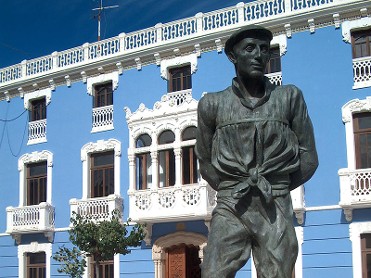
Built in 1925 by the Melgares de Aguilar family is of a modern style with a Neo-Mudejar interior. The building was erected in an old inn, it was the Melgares family home and later during the Civil War it hosted trade unions, it eventually became a Nun's school for the Love of God, it then finally became a cultural centre. Its facilities house a variety of municipal departments such as Development Agency, Youth Information Centre, Library and Historical Archive, Radio, Sports, Computer Room and a Study room, amongst others.
Monuments
Abanilla
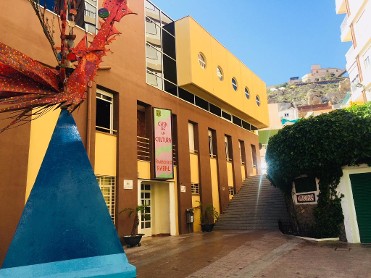
The Casa de la Encomienda was the place where the Commander of the Order of Calatrava collected taxes and the tithe from the locals. It also went by the name “Casa del Infante”, the probable reason being was because of the infante John of Austria the Younger (the illegitimate son of Philip IV of Spain) and step-brother to Charles II of Spain. Charles II was prime-minister, commander in chief and also the commander of the Brothers Hospitallers of Saint John of God. Since the building’s construction ought to have been completed during his tenure, it obtained the name of Casa del Infante. The two-floor building can be seen from two different areas: the northern side is vaulted and the other flat. In the basement of the vaulted ground floor there were some earthen jars measuring a meter and a half high, in where cereals, wine and oil from the tithes that La Encomienda received were kept.


Monuments
Pliego
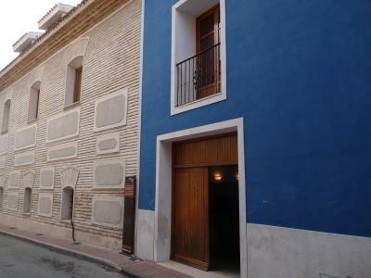
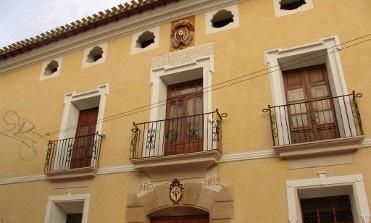
La Casa de la Tercia se localiza en la calle Mayor. Esta edificación está relacionada con la conservación, control, depósito y guarda del cereal. También aquí se centralizaba el cobro de impuestos a los pobladores, una de sus más importantes funciones, además de garantizar la reserva en épocas de escasez. La función de recogida de los diezmos (la contribución de los habitantes) y su conversión en tercios ( 1/3 para la Orden, 1/3 para el Rey y 1/3 para la Iglesia), hizo que la construcción fuera conocida como la casa de la Tercia. Su ubicación en el centro de la Villa simbolizaba el poder de sus moradores. Este tipo de casas se instituyen tras la Reconquista en los territorios de jurisdicción señorial y de las Órdenes religiosas. Cuando los señores eclesiásticos y nobles fueron perdiendo capacidad de gobierno, relevados por los concejos, pasarían a llamarse “Pósito Municipal”. Además de éste, había otros pósitos, que guardaban grano para ser distribuido entre los pobres, los llamados Pósitos Píos. Se convirtió posteriormente en el edificio de la Encomienda de Santiago, construido éste en 1802, siendo comendador de la Orden Don Francisco de Borbón. Dirigió las obras el arquitecto Jerónimo Martínez Brucero de Lara. El inmueble, de estilo barroco murciano, se divide en dos plantas, con un ático de seis ósculos mixtiforme y teas a cada lado del escudo de la Orden de Santiago que hay sobre el dintel de la puerta de acceso. Esta nueva edificación sustituiría a las viejas casas de la Tercia situadas en el interior de la villa medieval, muy próximas a ésta.


