




Día del libro / other events
Caravaca de La Cruz
Presentación libro Habitaciones de existir, de Miguel Sánchez Robles. 25 septiembre - 12.30 h. / Salón de Actos de la Casa de Cultura Emilio Sáez (pza. del Templete) Caravaca de la Cruz


Holiday accommodation
La Manga del Mar Menor
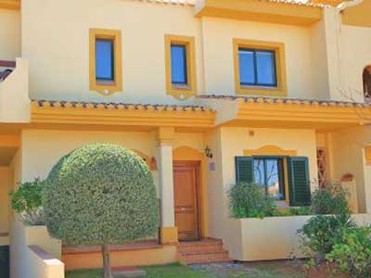
Esta hermosa casa moderna en La Hacienda Del Golf es una excepcional casa de 3 dormitorios y 2 baños en planta baja y primer piso, con techos altos y amueblada y equipada con las más altas especificaciones. Con dos patios soleados con orientación sur y acceso directo a los jardines de la comunidad y la gran piscina, es la base ideal para disfrutar de su tiempo en el magnífico La Manga Club. Hay acceso a internet wifi gratis. Gran salón con puertas que dan a una terraza privada y piscina comunitaria. TV de pantalla plana de 32 pulgadas. TV vía satélite incluyendo Reino Unido terrestre, Sky Sports, Sky Movies y muchos más, DVD / PS2 con juegos, grabadora de TV, Hi-Fi, conexión para iPod / estación de carga, teléfono para realizar llamadas gratuitas dentro del complejo. Selección de juegos de mesa y libros. Área de comedor elevada con capacidad para ocho personas. Cocina totalmente equipada con lavadero separado, que incluye horno, vitrocerámica, campana extractora, nevera-congelador, microondas, cafetera Krups "Dolce Gusto", lavavajillas, lavadora y secadora. Dormitorio principal con puertas dobles y de patio que conducen a un patio privado, con vestidor separado y baño privado con dos lavabos, bañera y cabina de ducha separada. Secador de pelo. Tenacillas de rizar. En el primer piso hay dos habitaciones dobles más espaciosas en el primer piso, cada una con puertas que dan a una gran terraza cerrada con orientación sur. Secador de pelo.Cuarto de baño familiar, dos lavabos, bañera y cabina de ducha separada. Información adicional y características externas Ubicación central pero tranquila en La Manga Club Resort, aire acondicionado en todas partes. Terraza privada con comedor al aire libre e instalaciones de barbacoa de gas. Gran piscina comunitaria de forma libre y jardines comunitarios con césped de nivel. Todas las habitaciones se pueden configurar como king size o dos camas individuales.
Tourist apartments
Fuente Álamo
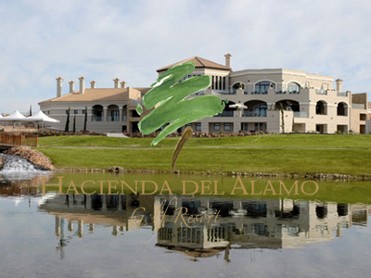
Home Kare Hacienda del Álamo Golf Resort, located 3 km outside Fuente Álamo in Murcia, offers spacious villas and apartments to rent. All Hacienda Del Alamo Golf's accommodation is well-equiped and ready to enjoy a nice and peaceful stay. Some of the villas have private pools and gardens. The resort features an 18-hole golf course, outdoor swimming pools, tennis and paddle courts, a football school, restaurants and a pubs. A great choice of shops, restaurants and entertaiment can be found in Fuente Álamo, just 5 min. away by car. Valle y Carrascoy Regional Park is less than 7 km from the Hacienda del Álamo Golf, while the beaches at Mazarrón and Los Alcázares can be reached within 35 minutes by car. Cartagena and Murcia are around 40 km away. HOME KARE Hacienda del Álamo Golf Resort offers quality accommodation and an exclusive experience, the best for an unforgettable stay.

Hotels
Purias (Lorca)
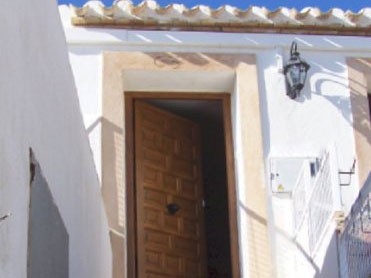
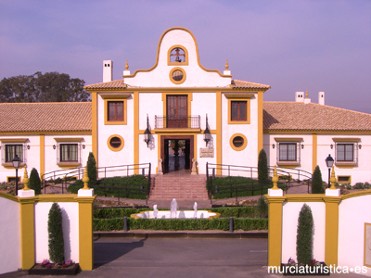
A escasos minutos del centro de Lorca y a pocos kilómetros de la playa de Águilas se encuentra Hacienda Real Los Olivos****, un Hotel Boutique perfecto para relajarse y descansar en sus viajes de negocio o disfrutar de un oasis único con la familia o amigos. El edificio inspirado en la arquitectura de las misiones coloniales americanas de los siglos XVII y XVIII contiene pequeñas pinceladas mozárabes que le otorgan un aire andaluz y lo convierten en un lugar diferente y único. El Hotel cuenta con 18 habitaciones totalmente equipadas con gran independencia entre ellas, cada una diferente y única. Entre sus instalaciones destaca su extenso jardín de 10.000m² ideal para pasear, una piscina con vistas donde relajarse, un agradable salón de entretenimiento y un terraza exterior perfecta para tomar un aperitivo al aire libre. Hacienda Real Los Olivos**** dispone del único Restaurante catalogado con 3 tenedores de la comarca y una cafetería con productos de la tierra donde se combinan sabores tradicionales con toques de vanguardia . Con un servicio exclusivo y una filosofía permanente de atención en cada detalle, Hacienda Real Los Olivos**** está reconocido con la ¿Q¿ de calidad turística española por el Instituto para la Calidad Turística Española (ICTE). Posibilidad de reserva online en www.haciendareallosolivos.com


