
Lugares de interés
Bullas
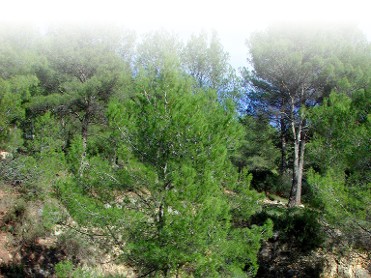
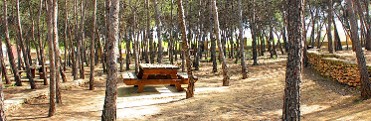
En este espacio natural, que en su día fue estación sericícola, se hallaba la emblemática Fuente de la Rafa que a través de su canalización aseguraba el abastecimiento de agua en Bullas desde época medieval. En la actualidad hay un complejo turístico que incluye camping, albergue, instalaciones deportivas y restaurante.
Lugares de interés
Barranda (Caravaca de La Cruz)
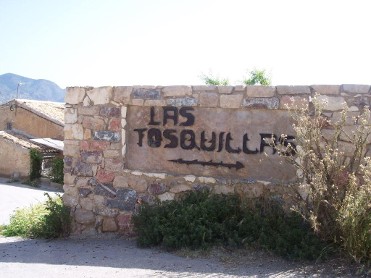
Muy próximo a la pedanía caravaqueña de Barranda, a tan solo un kilómetro de la misma se encuentra un hermoso Paraje Natural denominado “Las Tosquillas”, en el que podemos encontrar un caudaloso nacimiento de agua, aflorando entre las rocas, y frondosas nogueras que han dado lugar a un espacio tranquilo y concebido para estar en contacto con la naturaleza y disfrutar de ella.
Lugares de interés
Abanilla
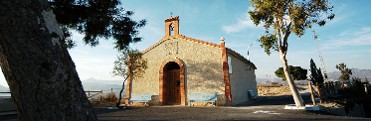
Cada 26 de julio es costumbre celebrar el día de los abuelos: Santa Ana y San Joaquín en la abanillera Ermita de Santa Ana (situada en la carretera de Abanilla a Pinoso), cuando baja el sol y da paso a la noche veraniega, las imágenes de los padres de la Virgen María son sacadas en procesión por este paraje y acompañadas por buena parte de la población asistente. El emblemático lugar donde se emplaza la Ermita se llama "Santa Ana", aquí existió un sistema de defensa romano y posteriormente un castillo árabe cuya principal función era la de vigía. Por el ambiente musulmán que envolvió este altozano, cada mes de octubre se celebra una comida de convivencia entre las asociaciones festeras de moros y cristianos y una representación de la toma del castillo. Es evidente actualmente, una parte de la muralla de tapial que protegía este lugar de vigilancia. En las proximidades de la ermita existe un aljibe muy bien conservado cuyo origen podría remontarse a época medieval islámica, aunque posteriormente sufriera importantes remodelaciones. Se trata de una estructura formada por tres bóvedas paralelas que determinan tres aljibes independientes rectangulares, comunicados por puertas laterales.
Lugares de interés
Alcantarilla
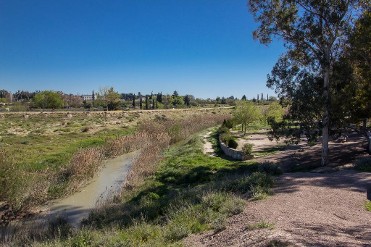
También conocido como la Fuenteamarga, por el sabor del agua a la que se atribuyen propiedades digestivas. Ubicado en la margen izquierda del Río Segura, es un auténtico pulmón natural, de la población, al poseer una abundante vegetación y una situación privilegiada, a la que no llega ningún ruido de tráfico, pese a la cercanía con la carretera nacional, al encontrarse resguardado por las huertas limítrofes. Constituye un delicioso lugar de esparcimiento. En este espacio, situado en la margen derecha del río Segura, se encuentra el nacimiento de agua salada, donde se ha realizado esta ordenación lúdico y recreativo para la población de Alcantarilla y lugar de importante arraigo popular por la concurrencia a la zona, junto a la Ermita de la Patrona y frente a una de las áreas más importantes de la historia, cultura, costumbres y tradiciones de este municipio ya que se encuentra en este núcleo el Museo de la Huerta, la conocida Rueda de Alcantarilla, junto con el legado medieval de los arcos o acueducto que contempla todo este espacio.
Lugares de interés
Bullas
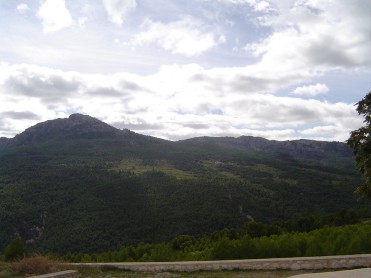
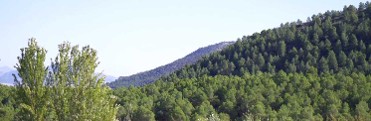
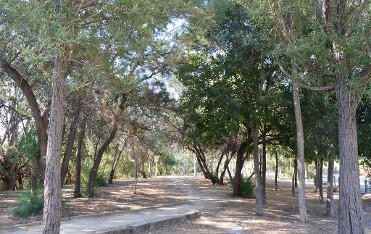
En este pasillo natural que une los términos municipales de Bullas y Cehegín se entremezclan los viñedos con otros cultivos muy característicos de la zona como el almendro. La vid va adquiriendo cada vez más protagonismo conforme avanzamos, siempre teniendo como principal punto de referencia el pico de la Lavia, a cuyo pie se extiende el paraje de la Venta del Pino. La tierra ofrece una auténtica combinación de colores entre el blanco calcáreo y el rojo almagra, a los que se suma el verde de la gran superficie forestal que domina este paisaje de extraordinaria belleza. Se trata de una orografía recortada, con elevaciones como los Cuchillos y la propia Lavia, por donde pueden realizarse diversas rutas a pie o en bicicleta.
Lugares de interés
Mula
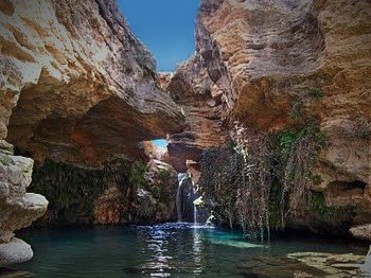
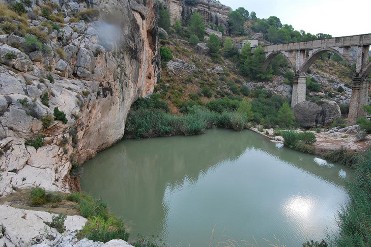
"Fuente Caputa" is the origin Roman name given to this muleño landmark. It is a system of ponds made up a spring which water emanates from due to the filtered waters in Ardal field and the hills and mountains around it. The ponds placed among mountains are uneven and this favours the waterfalls formation. The surrounding vegetation is the typical of the water courses: the oleander, rush which make Fuente Caputa a wonderful landscape and environmental place.

Rural houses
Majada (Mazarrón)
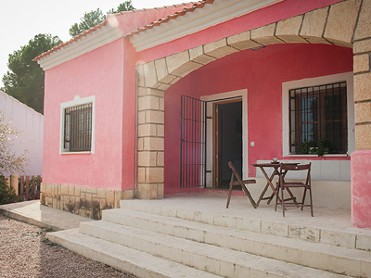
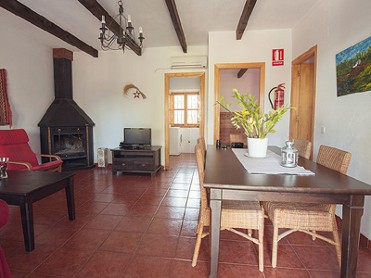
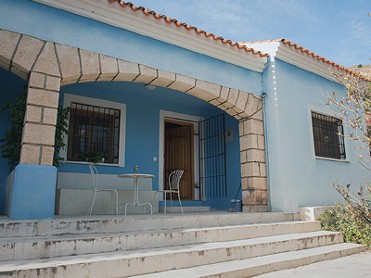
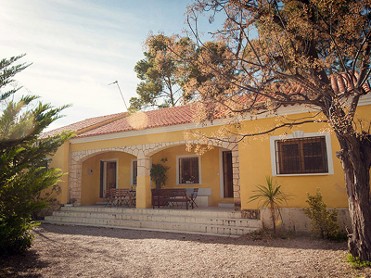
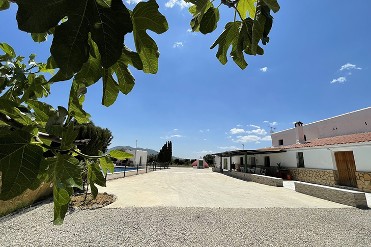
Preciosa casa con piscina 250 m2, ubicada en entorno rural, a los pies de la Sierra de Almenara, Mazarrón, Murcia. Paraje Las Rocas esta situada en una parcela rustica de 120.000m2, 10.000 estan vallados y configuran el entorno de la casa. Independiente, confortable, privacidad asegurada. Ideal para quien busca tranquilidad, reposo y disfrutar el campo. Todas los dormitorios disponen de baño propio en suite, (4 dormitorios, 4 baños). La casa esta rodeada de extensos jardines, piscina privada, parking privado, barbacoa, pista petanca, columpios para niños, mesa de ping-pong, amplia terraza de verano con excelentes vistas, etc. Ideal para unas vacaciones relajantes en familia. Publicada en las principales plataforma internacionales de alquiler vacacional (AirBnB, Trip Advisor, Niumba, HomeAway, etc) donde se pueden visualizar las opiniones de los huéspedes que la han ocupado.
Lugares de interés
La Unión
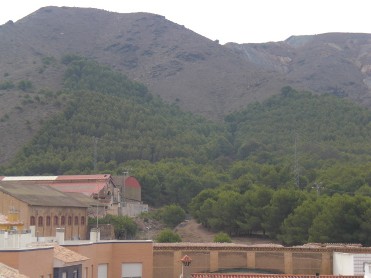
Paraje natural situado dentro de la Sierra Minera de La Unión que cuenta con una serie de construcciones destinas para el descanso.
Lugares de interés
Caravaca de La Cruz
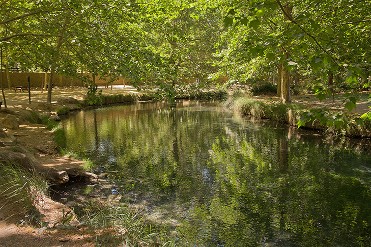
El Paraje de las “Fuentes del Marqués”, catalogado como Sitio Histórico, es uno de los grandes atractivos del municipio de Caravaca de la Cruz. Dicho paraje viene a constituir un parque natural en las afueras de la ciudad, de la que dista poco más de dos kilómetros. Se puede acceder a él bien por la Avda. de los Andenes (en automóvil), siguiendo después por el Camino de Mayrena, o bien siguiendo el Camino del Huerto, si se prefiere ir andando. Los dos caminos confluyen en “El Molinico”; desde allí la ruta es única hasta “Las Fuentes del Marqués” Se encuentran localizadas a los pies de la Sierra del Gavilán y el Buitre, con una extensión de 17.4 Hectáreas. El especial microclima de la zona, caracterizado por la presencia de agua, confiere al medio biótico y al físico especial peculiaridad, encontrándose en una reducida área gran cantidad de especies animales y vegetales que otorgan al paraje una clara singularidad. Los manantiales de donde fluye el agua están situados al final de este largo paraje, y son los popularmente conocidos como Sartenes (grande y pequeña), con un caudal medio de 320 I/sg. Las primeras citas sobre el lugar se deben al geógrafo árabe AI- Himyari (s. XIII y XIV). Parte importante de las Fuentes es el paraje de las Cuevas del Marqués, situadas sobre una colina dominando las Fuentes. Se cree, por los materiales cerámicos encontrados que datan del s. XI, puede tratarse de un asentamiento estable con fines agrícolas, sin carácter militar. En este magnífico paraje, encontramos el Centro de Interpretación de la Naturaleza, ubicado en el llamado Torreón de los Templarios, (siglo XVI). En él, se ha tratado de aprovechar las idóneas condiciones del paraje, fomentando la información y formación ambiental, potenciando la oferta educativa, lúdica y cultural de Caravaca de la Cruz. En definitiva, las Fuentes del Marqués, es un paraje con encanto, en el que en cualquier época del año la naturaleza se muestra en todo su esplendor, siendo quizá la primavera y el otoño las estaciones más especiales por la explosión de luz y color la primera y por la variada paleta de tonalidades que muestra el otoño en las hojas de los árboles.