


Routes
Puerto de Mazarrón (Mazarrón)
Restaurants
Puerto de Mazarrón (Mazarrón)
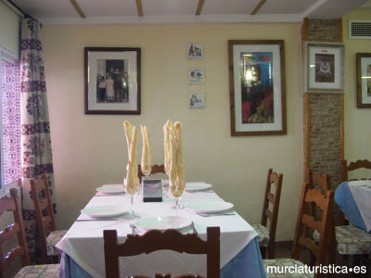
Restaurante del Hotel Playa Grande que la familia Meseguer posee en las playas de Mazarrón. A 50 m de la playa. Cocina tradicional murciana. Barra muy nutrida de tapas, excelente para comer de picoteo.
Restaurants
Murcia
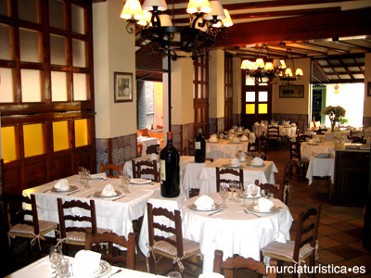
Restaurante típico de amplia carta y menús variados. Cercano a la Catedral en lugar céntrico del casco antiguo de Murcia. Teléfonos: 968 219 840 670 365 004
Campsites
El Portús (Cartagena)
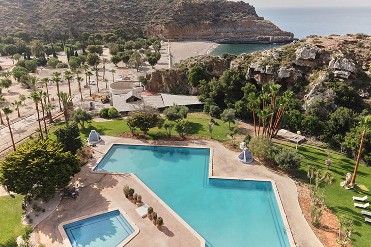
Con acceso directo a la playa de Cala Morena, TAIGA Costa Cálida es el lugar perfecto para desconectar y disfrutar de un entorno natural único. Rodeado por maravillas como el Parque Natural de la Sierra de la Muela, Cabo Tiñoso y el monte Roldán, este destino combina la tranquilidad de playas vírgenes con panorámicas espectaculares. El camping ofrece una amplia variedad de alojamientos para todo tipo de viajeros: desde parcelas, hasta bungalows y apartamentos totalmente equipados. Además, cuenta con un restaurante renovado con una oferta gastronómica para todos los gustos, múltiples actividades para todas las edades y aceptamos mascotas, para que nadie de la familia se quede atrás.


Courses and workshops
San Pedro del Pinatar
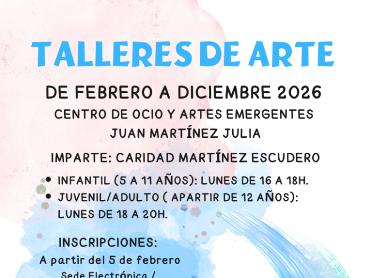
expresión creativa con los talleres de arte, que se imparten por la artista pinatarense Caridad Martínez Escudero, en el Centro de Ocio y Artes Emergentes ‘Juan Martínez Juliá’ los lunes, con un grupo infantil, dirigido a niños de 5 a 11 años, y otro grupo de jóvenes y adultos, a partir de los 12 años. Las inscripciones para el taller de arte, que tienen un precio de 70 euros, pueden realizarse a través del Registro del Ayuntamiento o la Sede Electrónica. Mas información e inscripciones: https://www.sanpedrodelpinatar.es/cultura-programa-talleres-de-arte-y-actividades-para-la-dinamizacion-de-la-lectura/
Festivities
Moratalla
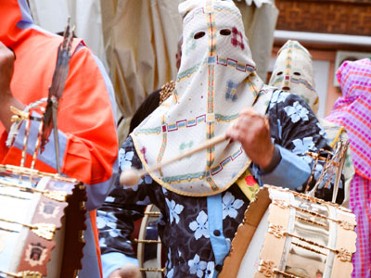
In Moratalla there is no room for silence. Or maybe there is, but it's behind the loud noises of drums; it is an individual and absolute silence, a condition of interior concentration so high that the repetitive and incessant knock of drumsticks are no more than a way of becoming isolated in solitude. Nobody agrees -and there's no reason- with regard to explain this ancient habitude in which other cities of the Region and of the rest of the country participate. It's an ancestral event, a collective ceremony which not only has the leading role of the Holy Week in Moratalla, but also defines its days, among which the most important ones are Maundy Thursday, Good Friday and Easter Sunday, during which the drums are played. But processions are also important in Moratalla. The processión of the Silence, with the statue of the Christ of the Rayo, is one of the best known and during this procession the Christ is carried through the ancient streets of the historical part of the city.






TaXIs
Yecla
Taxiyecla, comprometidos con nuestros clientes. Mas de 15 años ofreciendo profesionalidad, puntualidad y discreción en todos nuestros servicios; proporcionando la máxima seguridad y confort con nuestros vehículos de alta gama.

TaXIs
Balsicas (Torre Pacheco)
Servicio las 24 horas en los siguientes nº de teléfono. LICENCIA Nº 5: 696 157 460 LICENCIA Nº 8: 636 006 855
TaXIs
Cartagena
En Taxi Mercedes Cartagena le ofrecemos un servicio discreto, correcto y eficiente. Profesionales con más de 20 años de experiencia en el sector nos permite ser líderes en el sector. Diponemos siempre de vehículos Taxi de la marca Mercedes con navegador, asientos homologados para niños, láminas solares, teléfono para cualquier eventualidad o necesidad y DVD. Servicios y facturación a particulares y PYMES. Traslados y recogidas en aeropuertos tales como Murcia, Alicante, Valencia, Almería, Madrid, etc. además realizamos traslados a estaciones de tren. Rutas turísticas al Mar Menor, Cartagena, bodegas en Jumilla, Yecla y Bullas. Desplazamientos entre todas las localidades de la Región de Murcia, etc.


