

Holiday accommodation
Alhama de Murcia
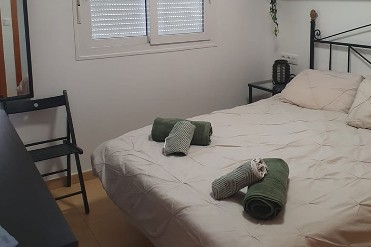
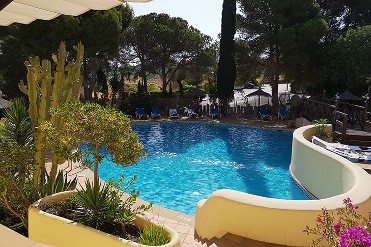
Apartamento de 2 dormitorios en el centro del Condado Golf Resort, en la popular calle Jardine's 13. El apartamento tiene vistas a la piscina y al pequeño parque infantil.
Monuments
Abanilla

Tourist guides
Cieza
Stipa Servicios Turísticos es una empresa dedicada a la realización de visitas guiadas en la Región de Murcia.


Street markets
La Azohia (Cartagena)
FROM 01st JULY TO 15th SEPTEMBER FRIDAY from 8h30 to 13h30
Street markets
Isla Plana (Cartagena)
FROM 01st JULY TO 15th SEPTEMBER THURSDAYS from 8h30 to 13h30

Holiday accommodation
Murcia
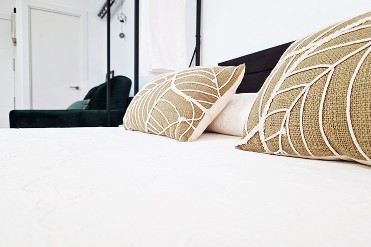
El estudio dispone de 28m2 aprox, cuenta con una cocina-sala de estar, habitación todo unido y un cuarto de baño y una pequeña zona de vestidor, se encuentra en al 2ª planta, es ideal para pasar varios días ya que disponéis de todas las comodidades (tostadora, sartenes, neceseres para cocinar, lavadora, secador pelo, plancha). Posibilidad de parking para el auto a 200 metros en parking vigilado publico por 12 euros el dia, (MES DE ABRIL Y DICIEMBRE 15 €) es necesario reservar. El espacio Estudio ideal para una pareja o para 3 personas, en pleno centro de Murcia, junto a una infinidad de los mejores restaurantes y bares de Murcia, cerca del Museo de Las Artes de Murcia, Catedral de Murcia, Plaza de Toros etc. El estudio dispone de 28m2 aprox, cuenta con una cocina-sala de estar con un sofá/cama Italiano comodisimo, habitación abierta todo unido, cuarto de baño, es una 2ª planta con ascensor, ideal para pasar varios días ya que disponéis de todas las comodidades (tostadora, sartenes, neceseres para cocinar, lavadora, secador pelo, plancha). Posibilidad de parking para el auto a 200 metros, vigilado publico por 12 euros el dia, es necesario reservar. (MES DE ABRIL Y DICIEMBRE 15 €) seguro que te encanta. Vivimos muy cerca del apartamento por lo que si en cualquier momento necesitáis nuestra ayuda estaremos disponibles . 24H El barrio de Santa Eulalia y San Juan, es el casco antiguo de murcia y donde se han instalado un sin fin de restaurantes y bares de ocio, también se encuentra a tiro de piedra la plaza de toros y la catedral de murcia. Servicios y zonas comunes Posibilidad de parking publico vigilado a 200 metros por 12 euro el dia (MES DE ABRIL Y DICIEMBRE 15 €). Alojamiento entero a disposición de los huéspedes. Otros aspectos destacables Situado en el centro de la ciudad de Murcia, este barrio de gran tradición y pintorescos pasajes, ha pasado con el tiempo de ser un arrabal medieval a convertirse en una parte sustancial del casco antiguo de la ciudad. La iglesia de Santa Eulalia es el principal eje del barrio, El barrio de Santa Eulalia es la mejor zona de ocio de la Ciudad, y muy proxima a la plaza de toros y al recinto de la Fica donde se organizan la mayor parte de los conciertos y festivales de musica. Al estar junto a la universidad de la Merced existen paradas de bus y tranvia muy cerca, el aeropuerto esta a 25 minutos.


Religioso
Ojós
En Semana Santa, Jueves Santo, se subastan los Santos y Tronos que participarán en las Procesiones. Esta subasta se celebra dentro de la Iglesia y todo lo recaudado es para pagar los gastos de las Procesiones.
Inns
Cabo de Palos (Cartagena)
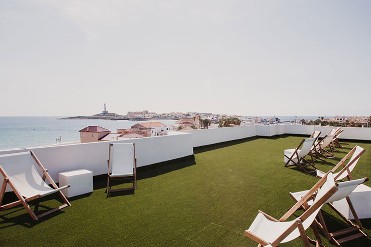
En SUB-UP Hostel, ofrecemos un alojamiento turístico localizado en el corazón de Cabo de Palos, una ubicación privilegiada, a escasos 40 metros de la Playa del Levante, con las mejores vistas del Faro de Cabo de Palos y a tan solo 200 metros del Puerto, restaurantes, comercios y de los principales centros de buceo de la zona. SUB-UP Hostel es un establecimiento hotelero de uso combinado en una parcela de 1868m², donde se alojan los dos edificios principales y un espacio ajardinado al aire libre de unos 1000m² que conecta ambos edificios. Hostel UP cuenta con un total de 18 habitaciones, dobles o familiares, equipadas con Smart TV 32", terraza, aire acondicionado, calefacción y baño con plato de ducha.

Youth hostels
Cabo de Palos (Cartagena)
En SUB-UP Hostel, ofrecemos un alojamiento turístico localizado en el corazón de Cabo de Palos, una ubicación privilegiada, a escasos 40 metros de la Playa del Levante, con las mejores vistas del Faro de Cabo de Palos y a tan solo 200 metros del Puerto, restaurantes, comercios y de los principales centros de buceo de la zona. SUB-UP Hostel es un establecimiento hotelero de uso combinado en una parcela de 1868m², donde se alojan los dos edificios principales y un espacio ajardinado al aire libre de unos 1000m² que conecta ambos edificios. Hostel SUB es un concepto de alojamiento innovador, pensado para aquellas personas que les gusta compartir habitación, en habitaciones de 4 o 6 personas, sin tener que renunciar al espacio y comodidad de otros alojamientos. Entre sus diferentes espacios, cuenta con una cocina totalmente equipada para los usuarios y una sala con Smart TV 65".


Cinema
Molina de Segura
La Concejalía de Cultura y Neocine Vega Plaza presentan otro año más el programa Los Súper Jueves de Cine con entradas a 3 euros a partir del día 2 de abril El alcalde, José Ángel Alfonso, ha anunciado la renovación del convenio de colaboración para la promoción y subvención del cine, suscrito entre el Ayuntamiento de Molina de Segura y Neocine Vega Plaza La Concejalía de Cultura del Ayuntamiento de Molina de Segura y Neocine Vega Plaza han renovado el convenio que permite que todo aquel que quiera disfrutar del cine en la localidad pueda hacerlo por un módico precio de 3 euros durante los jueves de algunas semanas de este año 2026, a través del programa Los Súper Jueves de Cine. El alcalde, José Ángel Alfonso, ha recordado que “este programa empezó en 2021 y, dada la gran respuesta del público molinense en las ediciones anteriores, se ha retomado la iniciativa para reforzar la posición de Molina de Segura como referente del comercio, ocio y esparcimiento para toda la comarca de la Vega Media del Segura”, y ha anunciado que “el importe del convenio asciende a 23.000 euros este año 2026, como muestra del apoyo a la cultura por parte del Gobierno local”. Están previstas las siguientes fechas para Los Súper Jueves de Cine: 2, 9, 16, 23 y 30 de abril de 2026 (primavera). 2, 9, 16, 23 y 30 de julio de 2026 (verano). 6, 13, 20 y 27 de agosto de 2026 (verano). 1, 8, 15, 22 y 29 de octubre de 2026 (otoño). 3, 10, y 17 de diciembre de 2026 (Navidad). A los días señalados, se añaden los martes 22 y 29 de diciembre de 2026, coincidiendo con las fiestas navideñas. En caso de que, con esta previsión de fechas, no se hubiera agotado la dotación económica asignada a este convenio, se podrán añadir dos fechas más, de común acuerdo entre el Ayuntamiento de Molina de Segura y Neocine Vega Plaza. Estas fechas quedan condicionadas hasta el fin de la existencia de los recursos económicos, fijados en 23.000 euros en el presupuesto municipal, o hasta el fin de la vigencia del convenio de colaboración, que finaliza el día 31 de diciembre de 2026.


