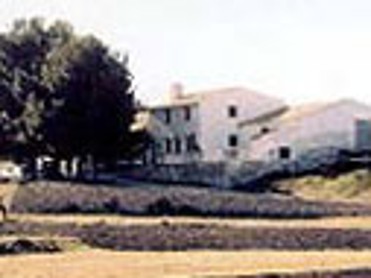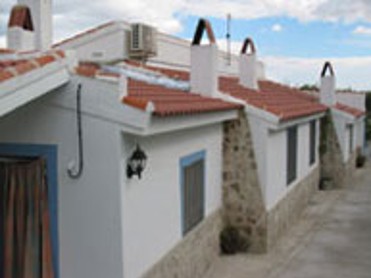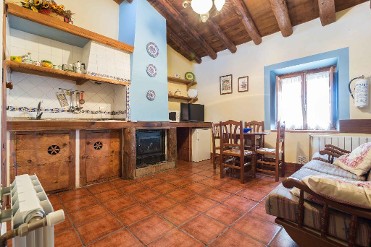
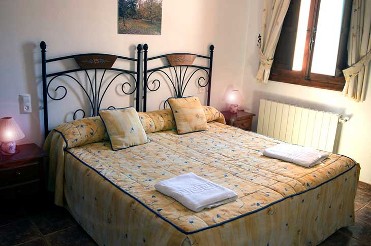
CASERÍO PEÑA RUBIA. CASA PRINCIPAL

Rural houses

Caravaca de La Cruz

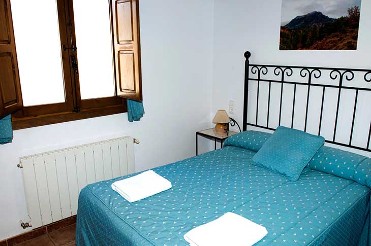
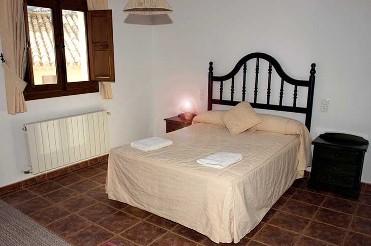
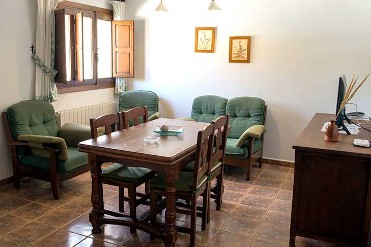
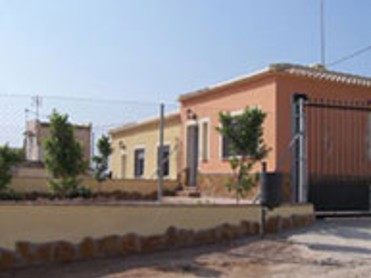
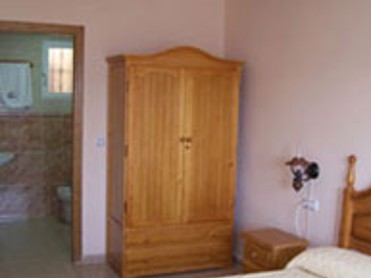
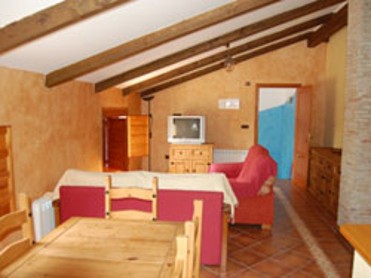
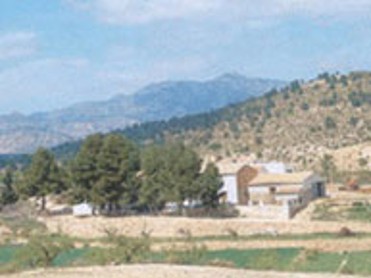
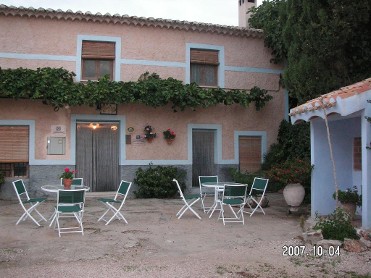
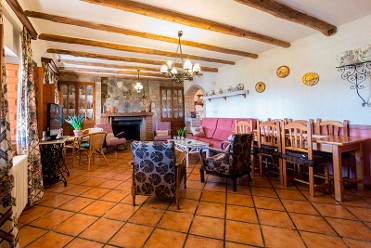
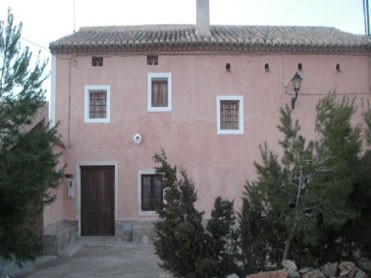
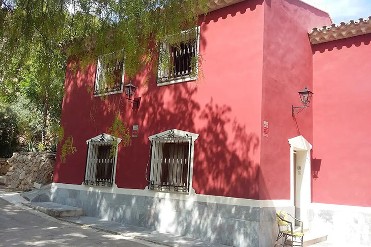
Casa antigua decorada con decoración rústica guardando la esencia de la época. Teléfonos: 690 111 079 622 262 522

CASERON
CASERON

Rural houses

Moratalla

CASERÓN CENTENARIO
CASERÓN CENTENARIO

Holiday accommodation

Cehegín

CASICA DE PERINTÍN
CASICA DE PERINTÍN

Rural houses

Ojós

Antigua casa huertana restaurada situada en uno de los enclaves más hermosos y tranquilos de todo el Valle de Ricote. Se encuentra a unos metros del río Segura, arropada por los ejidos mediterráneos del espacio protegido de la Sierra de Ricote, y al pie de la impresionante pared rocosa de El Chinte, cobijo de multitud de aves. Luminosa y tranquila con unas espléndidas vistas a la huerta tradicional, las montañas y el río. Está aislada pero sólo a un paseo del pueblo de Ojós, 10 minutos del balneario de Archena, 25 minutos de la ciudad de Murcia.

CASINO  ODISEO
CASINO ODISEO

Casinos

Murcia

Un casino es una oportunidad de crecimiento para una ciudad, la hace prosperar y ser más atractiva para el turismo. Este casino es una experiencia completa donde la emoción está garantizada. Si estas planeando una escapada de diversión, déjate deleitar por el juego, elegancia y exclusividad de nuestro casino y siente el esplendor del imperio mediterráneo. Un espectro amplio de diversas sorpresas para todo público intrépido. Dividido en dos espacios, en uno de ellos se encuentra la zona de máquinas electrónicas donde poder pasar un rato de diversión, y otro espacio más amplio donde los amantes de la emoción y el riesgo tienen la oportunidad de disfrutar de diferentes juegos: Mesa de mini punto y banca, Black Jack, Poker caribeño, Texas Hold’em, ruletas americanas , electrónicas, de la fortuna.

CASINO - PALACIO CASA TILLY

Monuments

Cartagena

The 18th century doorway is the only reminder left of the building's origins as the house for the Marquis of Casatilly, which was finally remodelled by Víctor Beltrí around 1897. Inside, the highlight is the patio ringed by a second floor gallery. Decorations and furnishings are modernist.

Casino Gastrobar
Casino Gastrobar

Restaurants

Mula

Restaurante elegante situado en la plaza del Ayuntamiento de Mula con vistas al Castillo de Mula. En su oferta gastronómica, caracterizada por ser creativa, sabrosa y sugerente, el mayor protagonismo lo tienen las tapas, que destacan por su amplia variedad y claras referencias a cocineros internacionales. Dispone de dos espacios diferenciados para disfrutar en distintos ambientes. Horario: Lunes y martes cerrado. Miercoles, jueves y domingo, medio día. Viernes y sabádo, mediodía y noche.

Casino or Cultural Atheneum

Monuments

Mazarrón

This eclectically styled, beautiful building is of great architectural and environmental interest, although there is little information on it. The exact date of its construction and the architect who designed it are unknown, although it has been estimated that it must have been built in the last decades of the 19th century. Some doubts exist as to whether it was built as a home or as a recreational facility (the casino). In the interior, a peculiar spiral staircase can be attributed to the Eiffel school, made of cast iron with very pronounced slope, intelligently designed but quite uncomfortable for everyday use. It is the only connection between the building’s floors.

CASITA MENOR
CASITA MENOR

Holiday accommodation

Lo Pagan (San Pedro del Pinatar)

CASITA MONTANA VISTA

Rural houses

Las Palas (Fuente Álamo)

Castillo
Castillo

Monuments

Jumilla

In 1461, the Marquis of Villena built the fortress, as we know it today, in Gothic style, with three floors, a cellar and a terrace, where he put his coat of arms. The Torre del Homenaje (Keep) is a rounded tower in order to cushion the impact of the cannon balls. The cellar or basement was used as dungeon and as a place to reserve food and water. The first floor or Sala del Bastimento (Supply Room) is the place where the weapons of the troops used to be kept and it also was the defence of the Castle. Nowadays it does not exist because it was destroyed on a fire during the Peninsular War. The second floor or Sala del Alcaide (Governor Room) is the most important room, with a main hall and the residence of the jailer. The door of entry, with a portcullis, is placed in this floor. The third floor or planta de la tropa (floor of the troops), is the place where the oven and the forth floor or terrace used to be. There are two wells of the Arabic time in the Patio de Armas (Parade Ground). The original access to the Castle is el Camino del subidor (The Road of the Raiser). These days, the Castle of Jumilla has became an exhibition space where tourists can learn about the different stages and elements of its construction.

CASTILLO CASTEJÓN
CASTILLO CASTEJÓN

Chemist's

Santiago de La Ribera (San Javier)

Castillo de Alcalá o de La Puebla de Mula

Monuments

La Puebla de Mula (Mula)

If there is a fortress in Mula that leave you speechless is Alcalá castle. It is 120 metres above the village and you can see all the town from there. To get there , you have to take a path you find in the road from Mula to Murcia ( kilometre 22) where Librilla road starts. It is a islamic fortress and one of the oldest in the Region. It was founded in the VIII century when Muslim troops stablished there to control the old Mula settlement. Mula was one of the seven Tudmir towns.

Castillo de Alhama de Murcia

Monuments

Alhama de Murcia

On the hill of the Castillo de Alhama de Murcia rises an Islamic origin fortress, of the 12th and 13th centuries, located on a steep hill which dominates the town and with favourable conditions to control the Guadalentín Valley route. The castle was part of the border fortifications with the kingdom of Granada, in the South, and with the Aragon one, in the North. The fortress is divided into two distinct areas: a political and military space; and another for shelter and residence for the population. The Torre del Homenaje (Homage Tower) stands out with a full elevation and decorative paintings inside. From the archaeological remains found in the castle, it has been possible to document the Muslim era phases until the middle of the 13th century. In the last third of the 14th century, the castle and the town of Alhama belonged to the Fajardo family estate, together with other towns in the region. After the conquest of Granada, the castle ceased as a border fortress of the valley and it was gradually abandoned, starting the deterioration process over the centuries.

Castillo de Calasparra

Monuments

Calasparra

El origen se remonta al s.XII. Actualmente se accede a él por la ruta Urbana de Calasparra. Desde allí nos ofrece unas vistas muy agradables de la localidad por un lado, y por otro los arrozales de Calasparra. Junto a él, se encuentra el Teatro abierto , desde el que se realizan conciertos en las noches de Verano. Todo ello con pasarelas de acceso y jardines que hacen muy agradable la subida.

Castillo de la Asomada

Miradores

Murcia

Castillo de Las Paleras, de la Mota o de las Barracas

Monuments

Pliego

Esta fortificación se sitúa en una elevación amesetada en la orilla derecha del Barranco de la Mota. Los restos conservados, de fábrica de tapial encofrado, proceden de las estructuras defensivas construidas por los pobladores musulmanes en el siglo XII. Existió una tendencia generalizada en esta centuria en el Reino de Murcia de proteger de las vegas de regadío frente a la amenaza cristiana y norteafricana. Declarado Bien de Interés Cultural en 1985, se considera el primer asentamiento medieval islámico de este municipio, posiblemente incluso anterior a los vestigios de la fortaleza conservados. Su abandono en beneficio de las fortificaciones y núcleo poblacional situados en el actual Pliego, dependientes de la Orden de Santiago desde el siglo XIV, se produciría tras la rebelión mudéjar que sucedió al sometimiento del Reino de Murcia al futuro Alfonso X el Sabio. Hoy la visita a los alrededores de la fortaleza es sencilla partiendo desde la Villa de Pliego, resultando sin embargo casi imposible el acceso al interior de la fortificación por encontrarse las paredes de la elevación cubiertas de las paleras que dan nombre al castillo.

Castillo de Lorca
Castillo de Lorca

Monuments

Lorca

The Castle of Lorca is an ancient medieval fortress from the 11th to the 13th centuries. It was used over time to defend the border between the kingdoms of Murcia and Granada. It was in use until well into the 16th century. During the War of Independence (1808-1814) it was again used as a place of refuge and defence. Today it hosts a recreation and exhibition of the Middle Ages. Here you can visit the towers, cisterns and the archaeological remains of the Synagogue from the 15th century. Translated with www.DeepL.com/Translator

Castillo de los Fajardo o de los Vélez

Monuments

Mula

Standing on the top of a hill, the castle dominates the town. This military construction was built by the first Marquis of " Los Vélez" not for defensive purpose but to show power and Vélez supremacy, one of the most important in the XVI century. It is structured in four parts: the Homage Tower, a central nave with an attached tower and the Cistern Tower. A half barrelvault, as well as a room provided with a fireplace for the garrison, can be found inside the castle. The exterior facade of this Renaissance-style castle is sparsely decorated with eight coats of arms.

Castillo de los Poyos de Celda

Monuments

Los Royos (Caravaca de La Cruz)

Los orígenes del castillo de Celda se han de remontar a época islámica, al igual que un relevante poblamiento asociado a la fortificación, que se sitúa en la fachada oeste del cerro.Incluso algunos autores han identificado estos restos monumentales con el castillo de Yayttilla, mencionado por el geógrafo musulmán al-Udri a mediados del siglo XI. No obstante, es ya en época cristiana, a partir de la segunda mitad del siglo XIII, cuando las noticias referentes al castillo comienzan a ser más reveladoras. Gracias a ellas sabemos su final dependencia de la Orden de Santiago y su probable abandono y destrucción hacia el siglo XVI. En la actualidad, podemos contemplar las ruinas de una fortificación adaptada a la cumbre del cerro, con planta casi rectangular y torreada, en cuyo interior se conservan aún varios aljibes. Hacia la ladera oriental se situó el poblamiento, cuyos restos son apenas perceptibles. Todas estas estructuras constructivas se encuentran declaradas Bien de Interés Cultural por la Disposición Adicional Segunda de la Ley 16/1985, de 25 de junio del Patrimonio Histórico Español.


Versión accesible
Bono Turístico